Common Bristlenose Pleco Health Issues
On This Page▾

Most bristlenose pleco health problems trace back to one of three things: a diet that was never enough, decor that was too rough, or a medication that should never have gone in the tank.
Malnutrition: The Biggest Real Risk
A bristlenose pleco left to live on tank algae alone develops a sunken, concave belly over weeks or months, sometimes alongside faded color or fins that start to look ragged even without an infection driving it. This is the single most common and most damaging condition on this list precisely because it's gradual, there's no single obvious symptom on day one.
Ich (White Spot Disease)
Small, pinhead-sized white spots across the body and fins, usually triggered by stress, a temperature swing, or a recently added tankmate. Treatable by gradually raising tank temperature with strong aeration, but use reduced medication doses and steer well clear of copper-based products, covered below.
Fin Rot and Bacterial Infections
Frayed or discolored fin edges, usually from poor water quality letting opportunistic bacteria take hold. Manageable at home with water changes and an antibacterial treatment alongside genuinely fixing the water quality issue that caused it in the first place.
The Copper Medication Warning
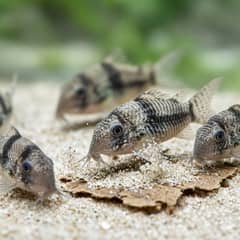
This is a genuinely important one. Bristlenose plecos are armored catfish with an unprotected belly and a mucous coating that copper damages badly, and copper-based medications sit at the top of the list of treatments to avoid for scaleless and armored fish generally, a category this species shares with the corydoras catfish. Reaching for a general-purpose ich or parasite treatment without checking the label against pleco safety is one of the easiest ways to turn a manageable illness into a fatal one.
A pleco gulping repeatedly at the surface is a warning sign, not normal behavior, the opposite of a corydoras catfish, which does this routinely as part of how it breathes. If a bristlenose is doing it, treat it as a signal of an oxygen or water quality problem and test right away rather than assuming it's just a quirky habit.
Barbel and Fin Damage From Rough Decor
Sharp gravel or rough decor can injure the soft underbelly and barbels as a bristlenose forages and grazes along the bottom, and an open wound like that is a real entry point for the bacterial infections covered above. Smooth, rounded substrate and decor without sharp edges genuinely reduce this risk.
The Husbandry Pattern Worth Remembering
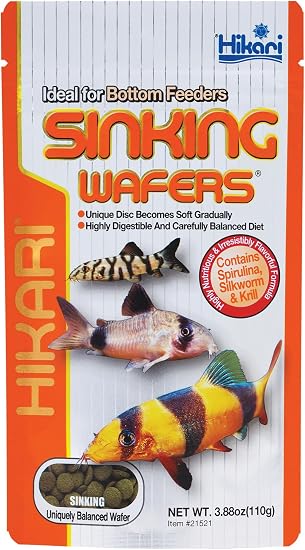
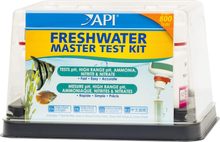
Diet drives the single biggest risk, decor and substrate drive physical injury, and water quality sits underneath nearly everything else on this list. A consistent, dedicated bottom-feeder food, rather than leftover algae and scraps, keeps a bristlenose in the kind of steady condition that makes it more resilient generally. Hikari Tropical Sinking Wafers are a sensible staple for this, and a water test kit on hand catches a water quality problem before it becomes a visible one.
Check the Bristlenose Pleco encyclopedia profile for more.
Sources & Further Reading
Last reviewed 15 Sep 2026 · 3 sources
❓ Frequently Asked Questions
Can bristlenose plecos be treated with copper-based medication?
No. Bristlenose plecos are armored catfish with an unprotected belly and a mucous coating that copper damages badly, and this species is more medication sensitive than many community fish. Copper-based treatments belong on the avoid list entirely, use an alternative medication for any copper-susceptible parasite instead.
What are the most common bristlenose pleco health issues?
Malnutrition from an algae-only diet is the biggest real risk, followed by ich, fin rot, and bacterial infections from injuries picked up on sharp decor or substrate. Nearly all of it traces back to diet, decor, or water quality.
How do I know if my bristlenose pleco is malnourished?
A sunken, concave belly is the clearest sign, sometimes alongside faded color or ragged-looking fins. It develops gradually over weeks or months rather than appearing suddenly, which is exactly what makes it easy to miss until it's fairly advanced.
Can rough decor or substrate hurt a bristlenose pleco?
Yes. Sharp gravel or rough decor can injure the soft underbelly and barbels as the fish forages and grazes, and an open wound like that is a real entry point for bacterial infection. Smooth, rounded substrate and decor reduce this risk.
What's the single biggest health risk for a bristlenose pleco?
Slow malnutrition from relying on tank algae instead of a real diet. It's not dramatic, there's no single obvious symptom on day one, which is exactly why it does more long-term damage than a faster-moving illness that gets noticed and treated right away.
📰 More on the Bristlenose Pleco
📘 Bristlenose Pleco care guide
🐟 How Much Does Bristlenose Pleco Ownership Really Cost?
🐟 Bristlenose Plecos Aren't Handled, and They're Genuinely Hard to Catch
🐟 Bristlenose Pleco Tank Setup: Driftwood Is the Detail That Actually Matters
🐟 Bristlenose Pleco Feeding: Diet, Driftwood, and the Algae Myth
🐟 Bristlenose Pleco Enrichment: Wood Is Not Optional, For Murkier Reasons Than You Think
🛒 Recommended Gear
As an Amazon Associate, we earn from qualifying purchases through the links above - at no extra cost to you.
Written by Michael Ryan
Mike keeps two rescued bearded dragons, Dex and Cera, and writes the care guides on BeastlyFacts from his own research and mistakes. He is not a veterinarian.
More about Michael Ryan →Comments
No comments yet - be the first!