Bristlenose Pleco Enrichment: Wood Is Not Optional, For Murkier Reasons Than You Think
On This Page▾

Every care sheet says plecos eat wood to digest it. The honest version is that the requirement is solid and the explanation is shakier.
Bristlenose plecos kept without driftwood develop digestive problems and lose color, and providing it is treated as a requirement across the hobby. What is less certain is the usual explanation: research on other wood-rasping loricariid catfish, close relatives of bristlenose in the same family, suggests they are not true wood digesters, and that any benefit likely comes from microbes colonizing the wood's surface rather than from the wood itself or from fermentation inside the gut.
What the Research Settles, and What It Does Not
Two things, pointing in slightly different directions, and both worth having.
The requirement holds. Bristlenose plecos rasp submerged wood constantly, and keepers consistently report digestive problems and faded color in animals kept without it. This is the settled part.
The mechanism is less settled. A 2009 study of wood-eating Panaque and Hypostomus catfish, loricariids in the same family as bristlenose though a different genus, found they poorly digest wood cellulose and pass wood through the gut in under four hours, concluding they are not true wood digesters in the way termites or beavers are (German and Bittong, 2009). A 2020 follow-up on wood-eating Panaque and Panaqolus catfish checked the usual fallback explanation, gut microbes fermenting the wood, and found little evidence of that either. The likelier account, per that study, is that any nutritional benefit comes from microbes and fungi already growing on the wood's surface, not fermentation inside the gut, with the wood itself contributing less nutritionally than long assumed (McCauley et al., 2020). Neither study looked at bristlenose itself, but both cover close relatives in the same family.
There is also the surface itself. A large piece of submerged wood grows biofilm and algae continuously, and grazing that surface is a good deal of what a pleco does with its day, whatever the wood is doing internally.
This is a nice case of a care recommendation being right for possibly the wrong reason. The hobby arrived at "plecos need wood" from the wood-digestion story, and the recommendation survives the story being questioned, because the outcome without wood is bad regardless of why.
Driftwood, and Enough of It
The item. Large driftwood pieces, ideally softer woods, which plecos rasp more readily.
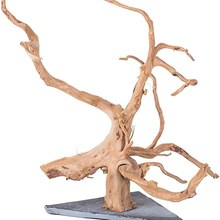
Size matters more than variety. One small ornament piece in a tank with two plecos is not a wood provision, it is a decoration they will strip in a couple of weeks. Give a substantial piece, or several.
It will tint the water with tannins, which is normal and harmless.
They Are Not an Algae Solution
The myth that starves them, and the reason people think plecos are hardy right up until one dies.
A bristlenose will clear the algae in a tank efficiently. Then the algae is gone and the fish is living on scraps. Sinking wafers and blanched vegetables, zucchini and cucumber especially, fed deliberately and after lights out if faster fish take everything.
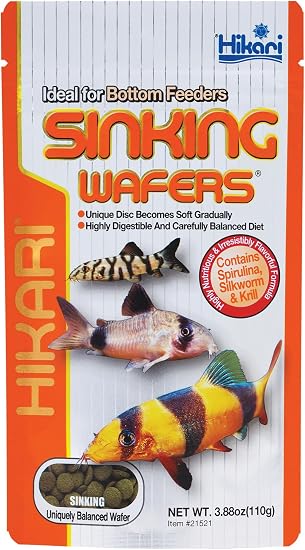
Watch the belly. A pleco with a sunken abdomen is not being fed enough, and it is the clearest single indicator in this species.
Caves and Daytime Shade
Nocturnal fish that spend the day wedged into something. A cave gives that, and males use caves as spawning sites, which is why a cave per fish is sensible when you keep more than one.
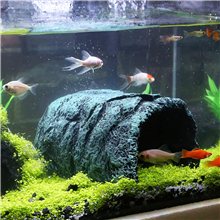
Add general shade: wood overhangs, broad-leaved plants, and a light that is not blasting the whole floor. A pleco visible in the open all day is often a pleco with nowhere better to be.
Grazing Surface
Beyond the wood, anything that grows biofilm. Rock, plant leaves, the back glass left unscrubbed.
Scrubbing every surface in the tank every week removes a genuine food source. Leave the back and sides, clean the front.
Water and Oxygen
Plecos produce a lot of waste and need real filtration and current. Good flow and surface agitation matter, since a heavily stocked warm tank with a large catfish in it runs low on oxygen faster than people expect.
Priority Order
- Substantial driftwood, replaced as it is consumed
- Deliberate feeding: sinking foods and vegetables, after lights out
- A cave per fish, and daytime shade
- Grazing surface left unscrubbed
- Filtration and flow suited to a messy fish
- Floor area over height
- Tannins and dimmer light
What Not to Do
Do not keep a bristlenose without wood. Do not buy one as an algae solution and stop feeding it. Do not scrub every surface in the tank. Do not keep two males with one cave. Do not ignore a sunken belly. And take real care netting one, since the pectoral spines lock into mesh and the odontodes catch.
Feeding is where this species is most often failed, and the fix is wood and deliberate sinking food, not a cleaner tank.
Sources & Further Reading
4 sources
- Do bristlenose plecos need wood? Fishkeeping World
- Bristlenose pleco (Ancistrus triradiatus) care guide: feeding, breeding and tank setup. Aqua-Fish
- Digestive enzyme activities and gastrointestinal fermentation in wood-eating catfishes. German and Bittong, 2009, Journal of Comparative Physiology B
- Gut microbiomes of sympatric Amazonian wood-eating catfishes (Loricariidae) reflect host identity and little role in wood digestion. McCauley et al., 2020, Ecology and Evolution
❓ Frequently Asked Questions
Do bristlenose plecos need driftwood?
Yes. Keepers consistently report digestive problems and color loss in plecos kept without it, and providing wood is treated as a requirement rather than a nicety across the hobby and the care literature.
Do they digest the wood?
Less clearly than the standard explanation suggests. Studies of related wood-eating loricariid catfish, Panaque, Panaqolus, and Hypostomus, not bristlenose itself, indicate they are not true wood digesters in the way termites are, and that any benefit is more likely from microbes growing on the wood's surface rather than digestion of the wood or fermentation in the gut.
So why provide it if they may not digest it?
Because the outcome is not in doubt even if the mechanism is. Plecos kept without wood do worse, they rasp at it constantly when it is there, and it grows the biofilm that makes up a good share of what they eat.
Are they algae eaters?
Partly, and not enough to live on. This is the myth that starves them. Once the tank's algae is gone they need sinking foods and vegetables fed for them, and a bristlenose in a clean tank with no supplementary feeding is slowly starving.
What kind of wood?
Softer woods are generally preferred, with Malaysian driftwood, mopani, grape wood and cholla all commonly used. Size matters more than type, since a small piece in a tank with several plecos does not go far.
Do they need a cave?
Yes. They are nocturnal and want somewhere enclosed to spend the day, and males use caves as spawning sites. A cave per fish is a reasonable rule in a tank with more than one.
📰 More on the Bristlenose Pleco
📘 Bristlenose Pleco care guide
🐟 How Much Does Bristlenose Pleco Ownership Really Cost?
🐟 Bristlenose Plecos Aren't Handled, and They're Genuinely Hard to Catch
🐟 Common Bristlenose Pleco Health Issues
🐟 Bristlenose Pleco Tank Setup: Driftwood Is the Detail That Actually Matters
🐟 Bristlenose Pleco Feeding: Diet, Driftwood, and the Algae Myth
🛒 Recommended Gear
As an Amazon Associate, we earn from qualifying purchases through the links above - at no extra cost to you.
Written by Michael Ryan
Mike keeps two rescued bearded dragons, Dex and Cera, and writes the care guides on BeastlyFacts from his own research and mistakes. He is not a veterinarian.
More about Michael Ryan →Comments
No comments yet - be the first!