Zebra Finch Feeding: Why Seed Alone Isn't Enough
On This Page▾

A traditional seed mix will keep a zebra finch alive, but avian vets increasingly agree it won't keep one properly nourished on its own, and the fix is simpler than it sounds.
Feeding Approach
Zebra finches do best with food kept consistently available rather than doled out as a single measured meal, though which food goes in the always-full dish matters. VCA Animal Hospitals' feeding guidance for finches recommends a pelleted diet be "constantly available in a separate dish," while the seed portion is measured out separately and kept small, around one level teaspoon per bird per day rather than left freely available around the clock. Fresh water needs to be available continuously too, with dishes cleaned daily to prevent bacterial buildup.
Pull any fresh greens or produce within a couple of hours of offering them to prevent spoilage, since a pair or small group won't finish a large portion quickly.
What Zebra Finches Eat
Traditionally, the base of a zebra finch's diet has been a quality finch seed mix built around millet and canary seed, and VCA Hospitals' species profile still lists mixed millet, canary seed, rapeseed, oats, niger, linseed, and hemp as the seed component. But the ratio matters more than the ingredient list. Pellets should make up roughly 70% of a finch's diet, and 60% at an absolute minimum, with fresh fruit and vegetables another 20% and seed limited to about one level teaspoon per bird per day. Moving a seed-eating bird onto pellets is a gradual substitution, never an abrupt swap.
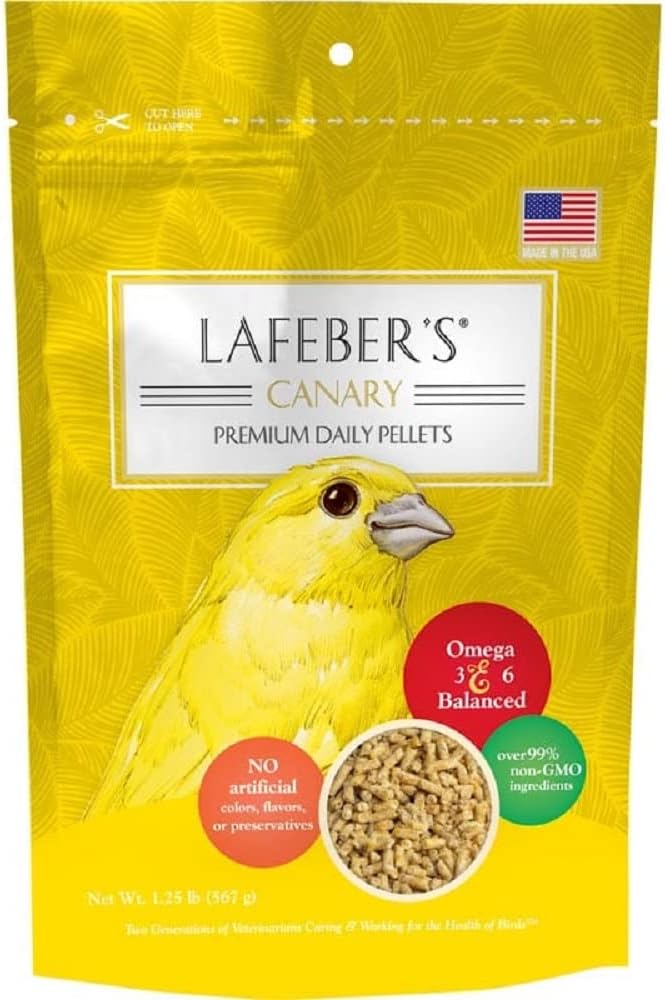
The reasoning is consistent across sources. The Merck Veterinary Manual states plainly that "all-seed diets... are deficient in vitamin A," and that "seed-based diets are well known for their calcium:phosphorus imbalance and amino acid deficiencies." PetMD adds that finches given a mixed bowl will selectively eat their favorite seeds and skip the more nutritionally complete components, so an all-seed diet tends to be worse in practice than the ingredient list alone suggests. A formulated pellet blend closes most of that gap. There's no zebra finch-specific pellet on the market, but a small finch or canary pellet formula, such as Lafeber's canary pellet blend, is sized appropriately and works well for a bird this size.
Sunflower seed is a classic example of the seed-selection problem. The Merck Veterinary Manual notes that sunflower seeds, a favorite with many seed-eating birds, are "low in calcium, deficient in essential amino acids, and high in fat," so a finch that picks out the tastiest seeds first is often picking the least balanced ones.
Cuttlebone and Calcium
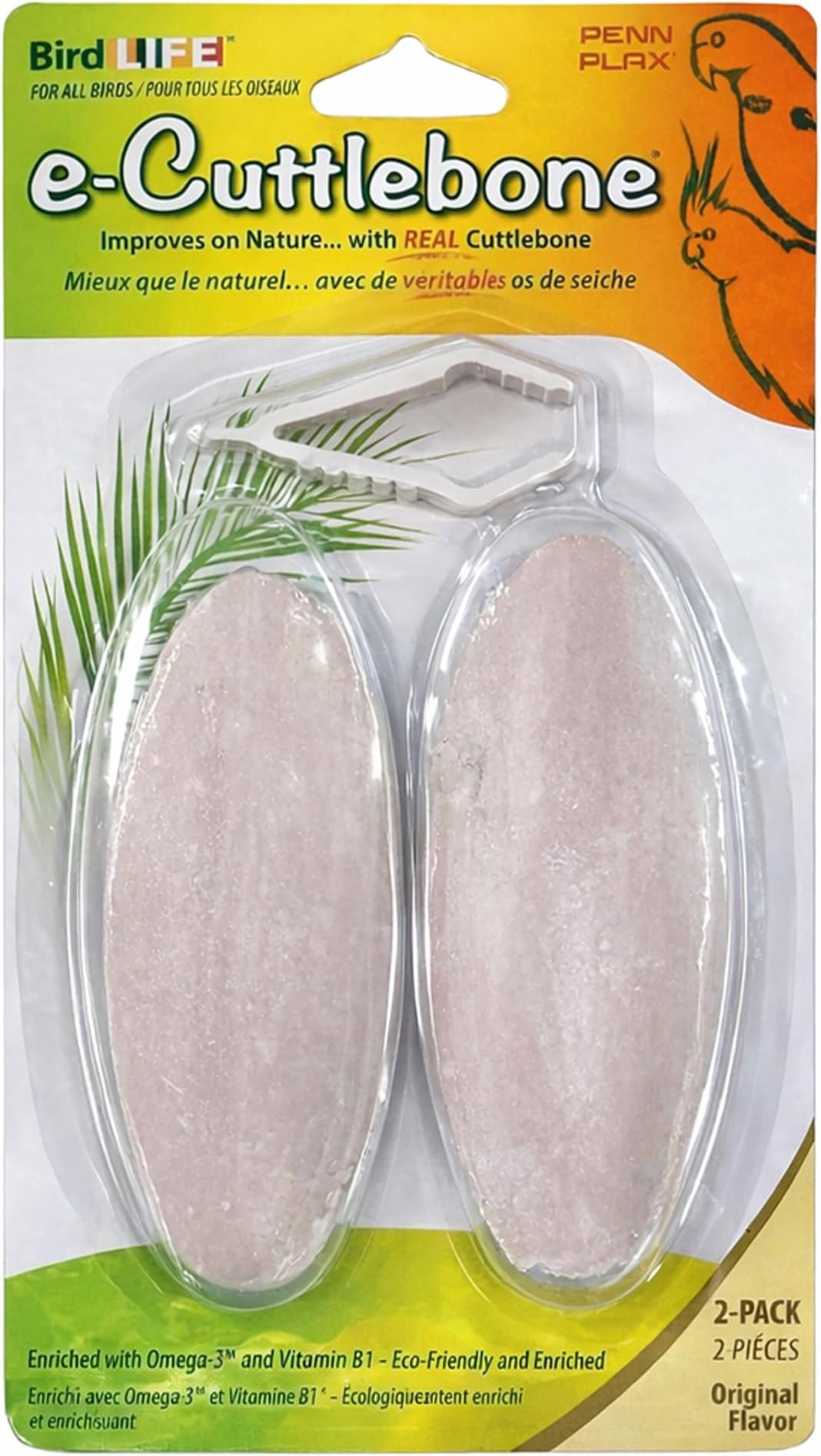
A cuttlebone or mineral block should be a permanent fixture in the cage, giving the birds a way to peck out calcium as they need it, and it matters most for laying hens, since a hen physiologically draws calcium from her own body to build eggshells.
Egg Food and Breeding Season Needs
Egg food, typically a small amount of boiled egg mixed with bread or a commercial egg food supplement, provides a concentrated protein boost that matters most during molting and breeding. Zebra finches use their own body protein, including skeletal muscle, to produce eggs, so breeding hens specifically benefit from the extra protein egg food provides. Offer it fresh and remove any uneaten portion within a couple hours, moist egg mixes spoil quickly and shouldn't sit in the cage.
Fresh Greens and Treats
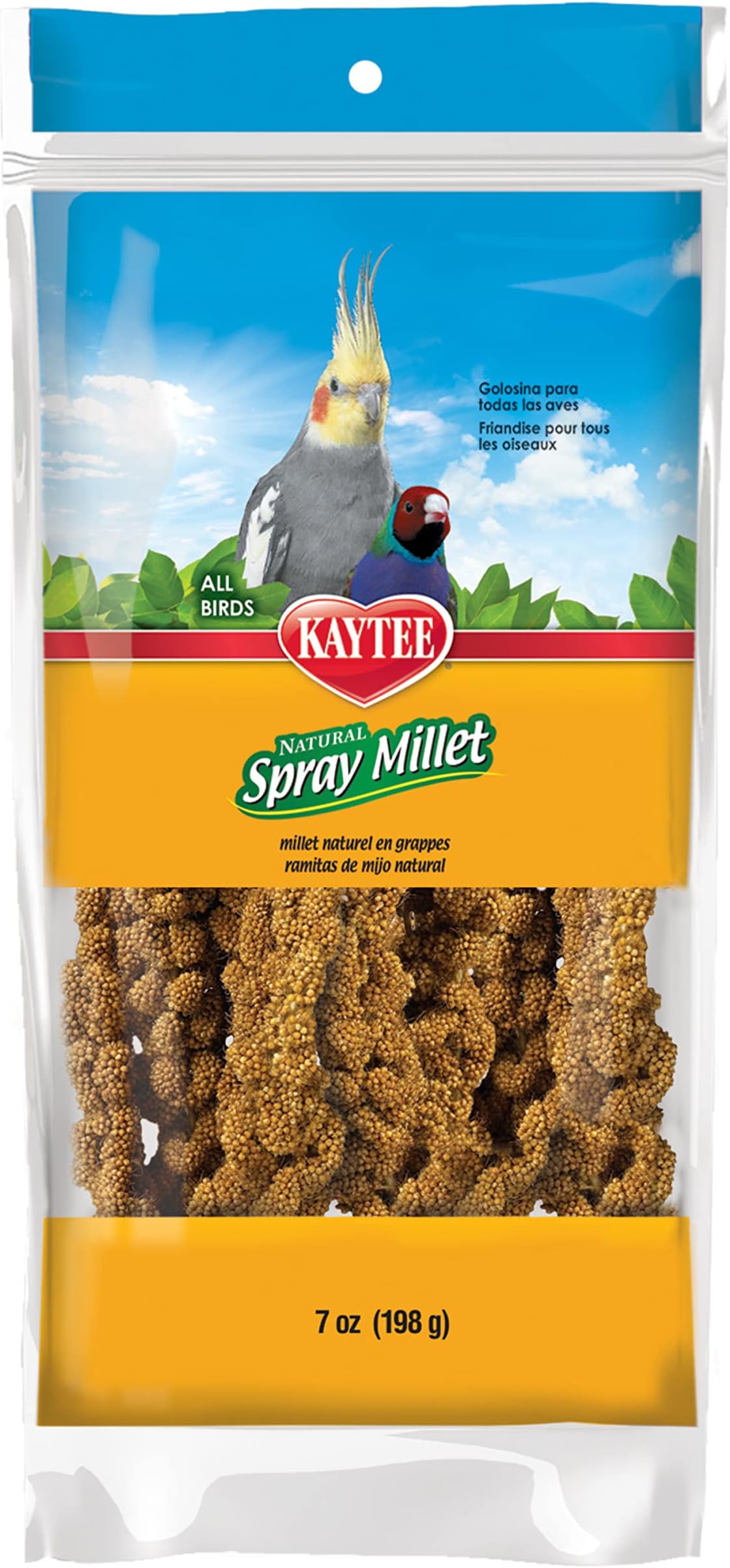
Small amounts of fresh dark leafy greens, romaine, spinach, dandelion greens, and watercress among them, round out the fresh produce portion of the diet. Millet spray is a genuinely useful treat beyond just being a favorite snack, it also encourages natural foraging behavior and works well for building trust with a shy bird. Keep it to an occasional treat rather than a diet staple, since it's a seed and carries the same nutritional gaps as the rest of the seed mix.
Grit: Not Needed
Unlike some birds, zebra finches hull their seeds, cracking off the husk with their beak before swallowing the kernel, so they don't need grit to mechanically break down whole seeds the way some other bird groups do. VCA Hospitals advises against routine grit supplementation for exactly this reason, and warns that overconsumption "can cause gastrointestinal tract obstruction." A cage that's never had grit added isn't missing anything nutritionally.
Feeding Dishes
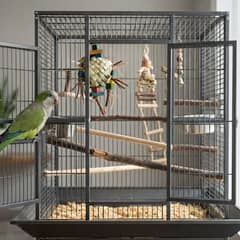
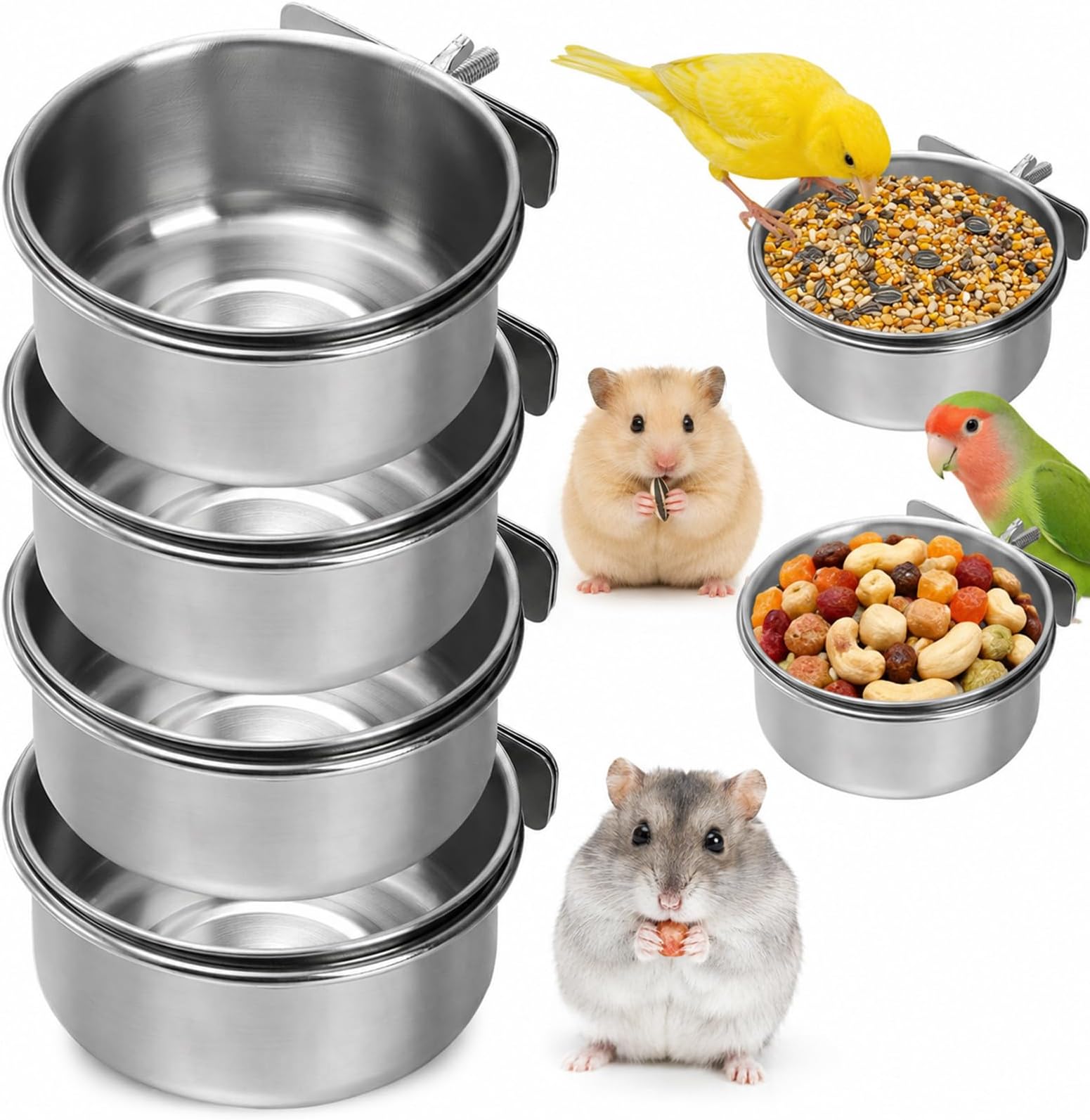
Clamp-on feeding dishes that attach to the cage bars keep food and water off the cage floor, where droppings and spilled seed hulls collect quickly in a bird this small. Wash dishes daily rather than just refilling on top of old food, especially the water dish. The Zebra Finch encyclopedia profile has the wild diet this whole approach is trying to approximate.
Sources & Further Reading
❓ Frequently Asked Questions
Should a zebra finch's diet be mostly seeds or pellets?
Mostly pellets. Around 70% of the diet, and 60% at an absolute minimum, with roughly 20% fresh produce and seed limited to about a teaspoon per bird per day. All-seed diets are deficient in vitamins, minerals, and protein.
Is an all-seed diet harmful to zebra finches?
Yes. The Merck Veterinary Manual notes that all-seed diets are deficient in vitamin A and that seed-based diets are well known for a calcium-to-phosphorus imbalance and amino acid deficiencies. Finches also selectively eat their favorite seeds and skip the more balanced components of a mix, worsening the problem.
Do zebra finches need grit to digest their food?
No. Like several other small seed-eating birds, zebra finches hull seeds before swallowing them, so they don't need grit for digestion. VCA Hospitals advises against routine grit supplementation, since overconsumption can cause a gastrointestinal obstruction.
What is egg food and when does a zebra finch need it?
Egg food, typically boiled egg mixed with bread or a commercial egg food supplement, provides a protein boost that matters most during molting and breeding. Zebra finches draw on their own body protein reserves to produce eggs, so breeding hens especially benefit from the extra protein.
Does a zebra finch need a cuttlebone?
Yes, it's a standard part of the setup. A cuttlebone or mineral block supplies calcium, which matters most for laying hens, since a calcium-poor diet feeds directly into the risk of egg binding, a genuine emergency in this species.
🛒 Recommended Gear
As an Amazon Associate, we earn from qualifying purchases through the links above - at no extra cost to you.
Written by Michael Ryan
Mike keeps two rescued bearded dragons, Dex and Cera, and writes the care guides on BeastlyFacts from his own research and mistakes. He is not a veterinarian.
More about Michael Ryan →Comments
No comments yet - be the first!