Common Zebra Danio Health Issues, Backed by the Best-Documented Fish Disease Data in the Hobby
On This Page▾

Most zebra danio health problems are treatable and trace back to water quality, the same as almost any freshwater fish. Where this species is genuinely different is how well one specific condition is documented, because the humble zebra danio and the zebrafish studied in biomedical labs worldwide are the exact same animal.
Ich (White Spot Disease)
Small white spots resembling grains of salt, caused by the parasite Ichthyophthirius multifiliis, which burrows into skin and gill tissue before forming cysts that release new infective stages, according to VCA Animal Hospitals. Alongside the spots, watch for increased mucus production, flashing against decor, rapid breathing, and lethargy.
This one is treatable. A gradual temperature increase toward the top of this species' comfort range, combined with a commercial ich medication and daily partial water changes, generally clears it. That ceiling is 77°F, so a tank run without a heater, which this species allows, needs one added for the length of the treatment. Quarantining new fish before introduction is the most effective way to keep it out of an established tank in the first place.
Fin Rot
A bacterial infection that Aquarium Co-Op describes progressing in stages: discoloration on the fin edges first, then fraying as infected tissue dies off, and in advanced untreated cases the infection spreading toward the body itself. It stems from poor water quality, fin-nipping tankmates, or general stress, worth noting given how much an understocked, stressed school of danios can turn to nipping each other. Treatment means correcting the water conditions that caused it alongside an antibacterial medication, and most fish recover within one to two weeks with consistent care.
Mycobacteriosis: The Condition This Species Is Famous For
This is where zebra danio's double life as a lab animal pays off for home keepers. Mycobacteriosis, sometimes called fish tuberculosis, is a chronic infection caused by several species of Mycobacterium, most often M. marinum, M. chelonae, M. abscessus, and M. fortuitum, according to the Zebrafish International Resource Center's bacterial disease manual. Because zebrafish are the world's most heavily studied lab fish, this condition has been documented in unusual depth: ZIRC's veterinary diagnostic service, which has run since 1999, reports mycobacteriosis as one of the most common infections it finds in submitted zebrafish samples.
Watch for lethargy, loss of appetite, and emaciation, along with skin ulcers, pale patches, and in advanced cases visible white nodules or a swollen abdomen. It isn't unique to research colonies either, hobbyist references including FishKeeping World and Aquarium Source both flag mycobacteriosis as a real, recognized health concern specifically in pet zebra danios, not just lab strains.
There's no reliable cure once a fish is visibly symptomatic. ZIRC notes that in research settings, depopulating an affected tank and avoiding cross-contamination between tanks is the most effective control available, a sobering reminder that prevention through quarantine, clean equipment, and stable water is the real defense for home keepers too.
The reason zebra danio's diseases are unusually well documented isn't a coincidence, it's because this exact fish, sequenced in full in a landmark 2013 Nature paper, shares roughly 70 percent of its genes with humans in some recognizable form. That genetic overlap is why an estimated 1,500 labs worldwide keep zebrafish colonies, according to the University of Oregon's zebrafish research program, and why a condition like mycobacteriosis has been studied at a level of detail most home-aquarium diseases never get.
A Real, If Rare, Human Health Note
Mycobacterium marinum specifically can also infect people, usually through a small cut or scrape exposed to contaminated tank water. The resulting skin infection, known as aquarium granuloma or fish tank granuloma, shows up as a slow-growing, sometimes painful bump or nodule at the site of exposure, according to Wikipedia's overview of the condition. It's uncommon and treatable with proper medical care, but it's a genuine reason to wear gloves for tank maintenance if you have any open cuts on your hands, and to mention aquarium exposure to a doctor if a slow-healing bump shows up after working in a tank.
Swim Bladder Disorder
Buoyancy problems, floating at the surface unable to swim down, or struggling to rise from the bottom, according to PetMD. Poor water quality is the most common and most overlooked cause, though overfeeding, stress, and physical injury can also play a role. Correcting water quality and adjusting feeding usually resolves it; fish can often live long, healthy lives with proper care even where the disorder doesn't fully clear.
The Pattern Worth Remembering
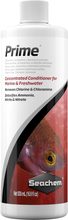
Nearly everything treatable on this list traces back to water quality and stability, exactly what a properly cycled tank with consistent temperature and regular water changes prevents. A stable temperature maintained with a reliable aquarium heater, even in a species that can technically go without one, and regular partial water changes using a water conditioner prevent far more than any medication does after the fact.

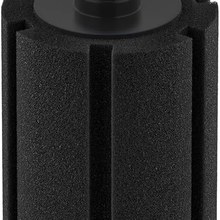
Mycobacteriosis, the one condition without a reliable cure, is prevented primarily through quarantine, the single habit that matters most for keeping this species genuinely healthy long-term. A modest separate tank with its own gentle sponge filter is worth setting up for this, and it does double duty as a place to isolate a sick fish later.
Check the Zebra danio encyclopedia profile for more.
Sources & Further Reading
Last reviewed 15 Sep 2026 · 9 sources
- Fish White Spot Disease (Ich), VCA Animal Hospitals
- 5 Quick and Easy Steps for Treating Fin Rot in Aquarium Fish, Aquarium Co-Op
- Bacterial Diseases, ZIRC Public Wiki
- Zebra Danio (Zebrafish) Care 101, FishKeeping World
- Zebra Danio 101: Care, Size, Lifespan, Tank Mates, Aquarium Source
- Aquarium Granuloma, Wikipedia
- Swim Bladder Disease in Fish: Symptoms & Treatment, PetMD
- The zebrafish reference genome sequence and its relationship to the human genome, Nature
- Zebrafish, University of Oregon Research and Innovation
❓ Frequently Asked Questions
What is ich and how do you treat it in zebra danios?
Small white spots resembling salt grains, caused by the parasite Ichthyophthirius multifiliis, along with flashing against decor, rapid breathing, and lethargy, according to VCA Animal Hospitals. It's treatable: a gradual temperature increase toward the fish's upper comfort range plus a commercial ich medication, with daily partial water changes during treatment.
What is fin rot and how serious is it?
A bacterial infection that starts as discoloration on the fin edges and progresses to fraying and tissue loss if untreated, according to Aquarium Co-Op. It stems from poor water quality, fin-nipping tankmates, or stress. Caught early, it's very treatable with improved water conditions and an antibacterial medication.
What is mycobacteriosis, and why do zebra danios get so much attention for it?
A chronic bacterial infection caused by several Mycobacterium species, most often M. marinum, M. chelonae, M. abscessus, or M. fortuitum. Because zebrafish are the world's most widely used lab fish, research colonies have documented it in unusual depth: the Zebrafish International Resource Center's diagnostic service reports it as one of the most common infections it sees. Watch for lethargy, loss of appetite, ulcers, and visible white nodules in advanced cases. There's no reliable cure, prevention through quarantine and clean water is the defense.
Can mycobacteriosis spread from fish to humans?
Rarely, but yes. Mycobacterium marinum can cause a real skin infection in people, known medically as aquarium granuloma or fish tank granuloma, usually entering through a small cut or scrape on the hand during tank maintenance. It's uncommon and treatable, but it's a real reason to wear gloves or avoid putting broken skin in tank water, and to see a doctor if a slow-healing bump shows up after aquarium work.
How do I prevent most zebra danio health issues?
Nearly everything treatable on this list traces back to water quality and stability. This species tolerates a wider range of conditions than most tropical fish, but that tolerance isn't unlimited, confirming a completed nitrogen cycle before stocking and quarantining new fish are the two habits that prevent the most problems long-term.
📰 More on the Zebra Danio
📘 Zebra Danio care guide
🐠 How Much Does Zebra Danio Ownership Really Cost?
🐠 Zebra Danio Handling: Why the Easiest Fish to Keep Is One of the Hardest to Catch
🐠 Zebra Danio Tank Setup: The Rare Community Fish That Might Not Need a Heater
🐠 Zebra Danio Feeding: Diet, Schedule, and the Live Food That Can Trigger an Accidental Spawn
🐠 Zebra Danio Enrichment: The Most Studied Fish in the World Lives in a Bare Box
🛒 Recommended Gear
As an Amazon Associate, we earn from qualifying purchases through the links above - at no extra cost to you.
Written by Michael Ryan
Mike keeps two rescued bearded dragons, Dex and Cera, and writes the care guides on BeastlyFacts from his own research and mistakes. He is not a veterinarian.
More about Michael Ryan →Comments
No comments yet - be the first!