Tarantula Enclosure Setup: Shape, Substrate, and a Humidity Debate
On This Page▾

Tarantula enclosures are refreshingly simple compared to most exotic pets, no complex lighting, no elaborate temperature gradients. The details that do matter, though, matter quite a bit, especially enclosure shape and substrate depth.
Enclosure Shape and Size
Most commonly kept pet tarantulas are terrestrial, and the enclosure should be horizontal, wider than it is tall, specifically to limit fall risk. A reasonable adult minimum is around 20 by 10 by 10 inches, or roughly a 10-gallon tank, sized to about three times the tarantula's leg span. Keep the overall height low, under about 12 inches, since falls are a genuine danger for most tarantulas.
Use a secure lid, but avoid mesh tops. A tarantula's feet can get caught in mesh and cause real injury. Acrylic with drilled ventilation holes is the better choice.
Substrate
Use at least 3 inches of depth, filling roughly half to two-thirds of the enclosure. Coconut fiber, peat, or organic pesticide-free soil all work well, they hold moisture appropriately and support natural burrowing behavior.
Many wild terrestrial tarantulas spend much of their time in burrows they dig themselves or take over from other animals. Substrate depth in captivity isn't just about holding moisture, it lets a tarantula express a burrowing instinct it retains even in an enclosure where it will never actually need to escape a predator.
Furnishings
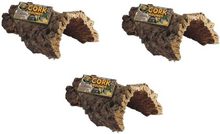
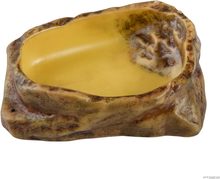
Provide at least one hide, cork bark, a half-log, or half of a terracotta pot all work. Add a shallow water dish, changed daily, and keep it shallow enough that there's no drowning risk.
Temperature
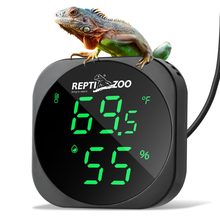
Room temperature, roughly 70 to 80°F, is fine for most homes with no supplemental heat needed. If your space runs cold, use a heat mat mounted on the side of the enclosure, never the bottom, paired with a thermostat. A digital thermometer/hygrometer combo takes the guesswork out of both temperature and humidity at once.
Humidity
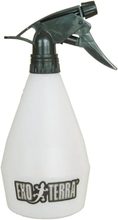
Sources genuinely disagree here. Some care guides recommend a moderate 40 to 60% for many commonly kept dry-adapted species, while others, often written from a more clinical or exotic-vet perspective, suggest 65 to 75%. In practice, the most consistent approach is a reliable water dish combined with lightly moistened substrate, using a fine mist spray bottle sparingly, rather than heavy misting, which raises mold risk without a clear benefit.
Lighting
None required. Most pet tarantulas are nocturnal, and bright light or direct sun should be avoided rather than added.
Diet
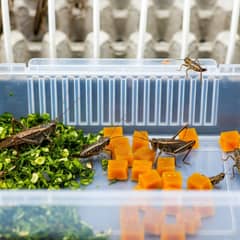
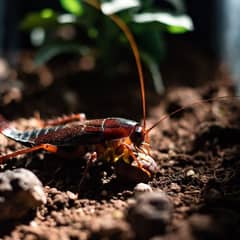
Feed live crickets or dubia roaches no larger than the tarantula's abdomen, and remove anything uneaten within 24 hours, a live insect left in the enclosure can injure or stress a tarantula, particularly one close to a molt; our feeding guide covers the actual schedule by life stage and why they sometimes stop eating for weeks at a time, and the invertebrate molting guide covers how to spot that window coming.
House tarantulas singly. Most species are solitary and cannibalistic, cohabitation isn't a workable setup regardless of enclosure size.
Sources & Further Reading
Last reviewed 17 Jul 2026 · 1 source
❓ Frequently Asked Questions
What size enclosure does a pet tarantula need?
About 20 by 10 by 10 inches for an adult, roughly a 10-gallon, sized to around three times the leg span. Keep it low, under about 12 inches tall, since a fall is a genuine danger for most tarantulas.
Should a tarantula enclosure have a mesh lid?
No. Feet can catch in mesh and get hurt; acrylic with drilled ventilation holes makes the better secure lid.
What humidity does a pet tarantula need?
Sources disagree, some care guides recommend a moderate 40 to 60% for many commonly kept dry-adapted species, while others suggest 65 to 75%. In practice, a reliable water dish combined with lightly moistened substrate is more consistent than heavy misting, which raises mold risk without a clear benefit.
Can you house multiple tarantulas together?
No. Most species are solitary and cannibalistic, so cohabitation isn't a workable setup regardless of enclosure size, house tarantulas singly.
📰 More on the Tarantula
🛒 Recommended Gear
As an Amazon Associate, we earn from qualifying purchases through the links above - at no extra cost to you.
Written by Michael Ryan
Mike keeps two rescued bearded dragons, Dex and Cera, and writes the care guides on BeastlyFacts from his own research and mistakes. He is not a veterinarian.
More about Michael Ryan →Comments
No comments yet - be the first!