Common Tarantula Health Issues (Prevention Matters More Than Treatment)
On This Page▾

Veterinary care for tarantulas is limited, many areas simply don't have a vet who treats invertebrates. That reshapes how tarantula health works in practice: prevention through correct husbandry does most of the heavy lifting, and knowing what's normal versus what's actually wrong matters more than knowing what to do once something's gone wrong.
Get the enclosure right first.
Dehydration
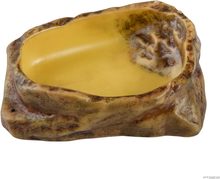
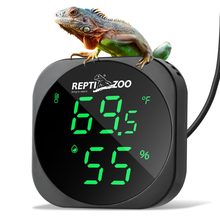
The most common issue keepers run into. Look for a shriveled, wrinkled abdomen, lethargy, and what's sometimes called a death curl, the legs curling in tightly underneath the body. A shallow water dish and humidity in the range the species needs, checked with a thermometer/hygrometer combo, prevent most cases, and mild dehydration often resolves quickly once conditions are corrected.
Molting Complications
A stuck or incomplete molt can be fatal. The best prevention is maintaining proper humidity and, critically, never disturbing or feeding your tarantula during a molt, our Invertebrate Molting 101 guide covers what a normal molt looks like across species. Once a molt is complete, wait about a week for the new exoskeleton to fully harden before offering food again.
Falls and Trauma
A ruptured abdomen or visible hemolymph (the tarantula equivalent of blood) leaking from an injury is a real emergency. Some keepers can stem a minor leak with a small amount of cornstarch applied to the wound, but anything beyond minor bleeding needs specialist attention if you can find it, and often the outcome depends on how quickly you can act. Most falls happen during attempted handling, which is the main argument for leaving this species in its enclosure.
Hemolymph doesn't stay confined to vessels the way mammal blood does, it flows freely through the body cavity and bathes the internal organs directly. That's part of why even a moderate abdominal rupture can turn fatal so quickly, there's no closed circulatory system holding things together while the injury is dealt with.
Oral Nematodes
Show up as white material around the mouthparts along with decreased appetite. This is rare in captive-bred spiders and can be treated by a vet under anesthesia when one is available, but it's genuinely uncommon.
Mites and Mold
Both are husbandry issues rather than illnesses in the traditional sense. Improving ventilation and general enclosure sanitation resolves most cases.
Dyskinetic Syndrome (DKS)
A poorly understood condition causing a loss of motor coordination. Unfortunately it's often fatal, and there isn't a well-established treatment.
The Thing That Isn't a Health Problem
A tarantula that stops eating for weeks is very often just entering a pre-molt period, this is completely normal behavior, not a sign of illness. Don't panic or assume something is wrong based on appetite alone. That said, if a tarantula refuses food for more than a month, or if it's showing dehydration signs on top of the appetite loss, that combination is worth investigating further, whether through a specialist vet if one's available or through experienced keeper communities.
Sources & Further Reading
❓ Frequently Asked Questions
What's the most common health problem in pet tarantulas?
Dehydration. The signs are a shriveled, wrinkled abdomen, lethargy, and the legs curling tightly under the body, sometimes called a death curl. A shallow water dish and correct humidity prevent most of it, and mild cases often resolve once conditions are corrected.
What should I do if my tarantula's molt looks stuck?
A stuck or incomplete molt can be fatal, so the priority is prevention rather than treatment, proper humidity and never disturbing or feeding your tarantula during a molt. Once a molt completes normally, wait about a week for the new exoskeleton to fully harden before offering food again.
What does a tarantula injury or fall emergency look like?
A ruptured abdomen, or hemolymph visibly leaking from an injury, is a real emergency. Some keepers can stem a minor leak with a little cornstarch, but anything past minor bleeding needs specialist attention if you can find it, and how fast you act often decides the outcome.
My tarantula stopped eating for weeks, is something wrong?
Probably not, a tarantula that stops eating for weeks is very often just entering a pre-molt period, which is completely normal behavior. That said, if it refuses food for more than a month, or shows dehydration signs on top of the appetite loss, that combination is worth investigating further.
📰 More on the Tarantula
🛒 Recommended Gear
As an Amazon Associate, we earn from qualifying purchases through the links above - at no extra cost to you.
Written by Michael Ryan
Mike keeps two rescued bearded dragons, Dex and Cera, and writes the care guides on BeastlyFacts from his own research and mistakes. He is not a veterinarian.
More about Michael Ryan →Comments
No comments yet - be the first!