Common Emperor Scorpion Health Issues and What Causes Them
On This Page▾

Exotic vets experienced with invertebrates are uncommon, so this list leans heavily on prevention rather than treatment. Emperor scorpions are genuinely hardy when humidity and substrate depth are right, and most problems trace directly back to one of those two things being off.
Dehydration
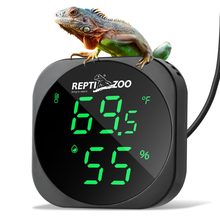
The most common thing that goes wrong with this animal, and it tracks directly back to where the species evolved: hot, humid forest, not the dry habitat most people picture when they hear the word scorpion. Watch for lethargy, a shriveled appearance, sunken features, and reduced activity. Humidity that's too low, inadequate misting, or overly dry substrate are the usual causes, and the 70 to 90% target is the number that keeps it from happening. Caught early, this is manageable by increasing humidity and providing a shallow water source, but advanced cases can be fatal. A digital hygrometer takes the guesswork out of catching this before it becomes serious.
Failed or Incomplete Molts
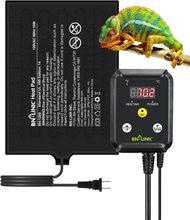
Scorpions are at their most vulnerable during and immediately after molting, and this is genuinely life-threatening if it goes wrong. A 2024 study in the peer-reviewed journal Insects (Guo et al.), on a different scorpion species, Mesobuthus martensii, but describing biology that applies broadly across scorpions, found that "the new exoskeleton is too soft to provide protection against predators and conspecifics" immediately after a molt. Watch for difficulty shedding the old exoskeleton, stuck pieces of shed, and lethargy around molt time. Incorrect humidity, whether too low or fluctuating, poor nutrition, and disturbance during the vulnerable pre- and post-molt window all raise risk. A stable, thermostat-controlled setup removes one major variable, a heat mat and thermostat keeps temperatures from swinging at the worst possible time.
Remove live prey and avoid handling entirely during this period, an insect left in the enclosure can injure a molting scorpion that's unable to defend itself normally. The same thing is documented in tarantulas, where several live feeder insects left in an enclosure at once have injured an animal that could not fight back normally, which is exactly the risk during a scorpion's molt. Incomplete molts often need experienced intervention and are frequently fatal without it.
A molting scorpion is effectively defenseless. Research on scorpion molting describes the freshly molted exoskeleton as too soft to protect against predators or even other scorpions, which is exactly why keepers pull live feeder insects from the enclosure before a molt, a cricket or roach left behind can seriously injure or kill a scorpion that's temporarily unable to fight back.
Mites and Other Parasites
Look for visible mites on the body or in the substrate, excessive grooming behavior, and lethargy. These typically arrive via substrate, feeder insects, or contaminated decor. Usually manageable with isolation, a substrate change, and careful cleaning, though a heavy infestation adds real stress to the animal.
Injuries From Falls, Pinching, or Cage-Mate Aggression
Visible wounds, limping, or missing appendages point here. Improper handling, a fall from height, or housing incompatible individuals together are the common causes. Severity varies widely, minor injuries often heal on their own, while serious ones can lead to infection or death. This species' tolerance for cage mates is genuinely unusual among predatory arthropods, most of which will eventually kill each other when housed together, which is exactly why crowding or too few hides is the fastest way to turn that tolerance into a real injury. Providing enough hides and space in a properly sized enclosure prevents most cage-mate conflict.
Fungal or Bacterial Issues
Less common, but linked to substrate that's chronically wet rather than properly damp, or poor ventilation that lets mold take hold.
Emergencies vs. Manageable at Home
A stuck molt, severe dehydration, open wounds showing signs of infection, or a complete refusal to eat for an extended period after a molt are all high-concern situations. Mild dehydration, minor mites, and early humidity-related lethargy are generally manageable once husbandry is corrected. Notably, the sting itself is rarely what sends an emperor scorpion to the vet. Severe toxicity is unlikely from this species and its relatives, with stings producing localized pain rather than a medical emergency, and it's husbandry failures that drive the list above. Veterinary options for invertebrates remain genuinely limited, which is exactly why prevention through correct humidity and substrate depth is the primary strategy here, not a backup plan.
The Husbandry Pattern Worth Remembering
Low or fluctuating humidity leads to dehydration and failed molts, the two most serious issues on this list. Substrate that's too shallow prevents proper burrowing, adding stress and humidity instability on top of that. Leaving live prey in the enclosure during a molt risks real injury or death to a scorpion that can't defend itself normally. And substrate that's too wet, rather than properly damp, invites mold and secondary infection.
Tarantulas sit in the same position, with dehydration and molting complications at the top of their list too, for the same underlying reasons. Obesity from overfeeding is a preventable risk of its own.
Sources & Further Reading
Last reviewed 31 Jul 2026 · 5 sources
- Animal Diversity Web (University of Michigan): Pandinus imperator
- University of Kentucky Department of Entomology: Emperor Scorpion
- Merck Veterinary Manual: Spider and Scorpion Bites in Animals
- Guo et al., "Special Survival Strategy of First-Instar Scorpions...," Insects (2024)
- University of Illinois College of Veterinary Medicine: Caring for Pet Tarantulas
❓ Frequently Asked Questions
What's the most common emperor scorpion health issue?
Dehydration, the single most frequently cited issue in emperor scorpion care sheets. Watch for lethargy, a shriveled appearance, sunken features, and reduced activity. Caught early, increasing humidity and providing a shallow water source usually resolves it, but advanced cases can be fatal.
What happens if a molt goes wrong?
A failed or incomplete molt is life-threatening, and molting is when a scorpion is at its most vulnerable. Watch for trouble shedding the old exoskeleton, stuck pieces of shed, and lethargy around molt time. Incomplete molts often need experienced intervention, and without it they are frequently fatal.
Do emperor scorpions get mites?
Yes. They typically arrive on substrate, feeder insects, or contaminated decor. You'll see them on the body or in the substrate, plus excessive grooming and lethargy. Isolation, a substrate change, and careful cleaning usually handle it, though a heavy infestation adds real stress to the animal.
What causes injuries in emperor scorpions?
Improper handling, falls from height, and incompatible individuals housed together. The result is visible wounds, limping, or missing appendages. Severity varies widely. Minor injuries often heal on their own; serious ones can lead to infection or death.
When is an emperor scorpion health issue an emergency versus something manageable at home?
High concern: a stuck molt, severe dehydration, open wounds with signs of infection, or a complete refusal to eat for a long stretch after a molt. Mild dehydration, minor mites, and early lethargy from humidity are generally manageable once husbandry is corrected.
📰 More on the Emperor Scorpion
📘 Emperor Scorpion care guide
🦂 How Much Does an Emperor Scorpion Really Cost?
🦂 Should You Handle an Emperor Scorpion? Rarely, and Carefully
🦂 Emperor Scorpion Enclosure Setup: Deep Substrate, High Humidity, No UVB
🦂 Emperor Scorpion Feeding: Schedule, Diet, and Why Fasting Is Normal
🕷️ 10 Surprising Emperor Scorpion Facts
🛒 Recommended Gear
As an Amazon Associate, we earn from qualifying purchases through the links above - at no extra cost to you.
Written by Michael Ryan
Mike keeps two rescued bearded dragons, Dex and Cera, and writes the care guides on BeastlyFacts from his own research and mistakes. He is not a veterinarian.
More about Michael Ryan →Comments
No comments yet - be the first!