Tarantula vs. Emperor Scorpion: Which Invertebrate Actually Fits You
On This Page▾

Both are popular, low-maintenance invertebrates that make people nervous before they meet one, and both get recommended constantly as beginner-friendly exotic pets. The differences show up in how they defend themselves, how they reproduce, and just how differently their lifespans play out depending on sex.
The Comparison
| Tarantula | Emperor Scorpion | |
|---|---|---|
| Primary defense | Urticating hairs, mild bite | Large pincers, mild sting |
| Venom to humans | Mild (New World species) | Mild, comparable to a bee sting |
| Reproduction | Lays eggs in a silk sac | Live birth, ~9 month gestation |
| Parental care | None after egg sac | Young ride on mother's back |
| Female lifespan | 15-30 years | 5-8 years |
| Male lifespan | 3-6 years, often less | 5-8 years (similar to female) |
| Glows under UV light? | No | Yes, blue-green |
| Handling recommended? | Generally no, fall risk | Generally no, pinch/sting risk |
Defense Mechanisms Work Completely Differently
The New World tarantulas most commonly kept as pets, the genera that dominate the beginner hobby, rely primarily on urticating hairs: barbed bristles flicked from the abdomen that cause real skin and eye irritation but aren't dangerous to a person, backed up by a bite that's roughly as unpleasant as a wasp sting if it ever comes to that. An emperor scorpion works differently: it does have a genuine venomous sting, but researchers consider the venom mild, and the species leans on its oversized pincers for both defense and hunting well before it ever resorts to stinging.
Choose a Tarantula if you want an invertebrate you'll mostly observe rather than handle, and don't mind setting up a burrow-friendly substrate. Just be aware that a fall, not a bite, is the real safety risk, a dropped tarantula can rupture its abdomen and die.
Eggs vs. Live Birth, With Very Different Parenting
Female tarantulas lay eggs, sometimes hundreds in a single clutch, sealed inside a silk egg sac, with essentially no parental involvement once the spiderlings emerge and disperse. Emperor scorpions do the opposite: after a gestation period of roughly nine months, the mother gives live birth to 10 to 12 young, which then climb onto her back and ride there, visibly protected, until they're mature enough to survive independently. It's one of the more genuinely attentive examples of parental care in the invertebrate world.
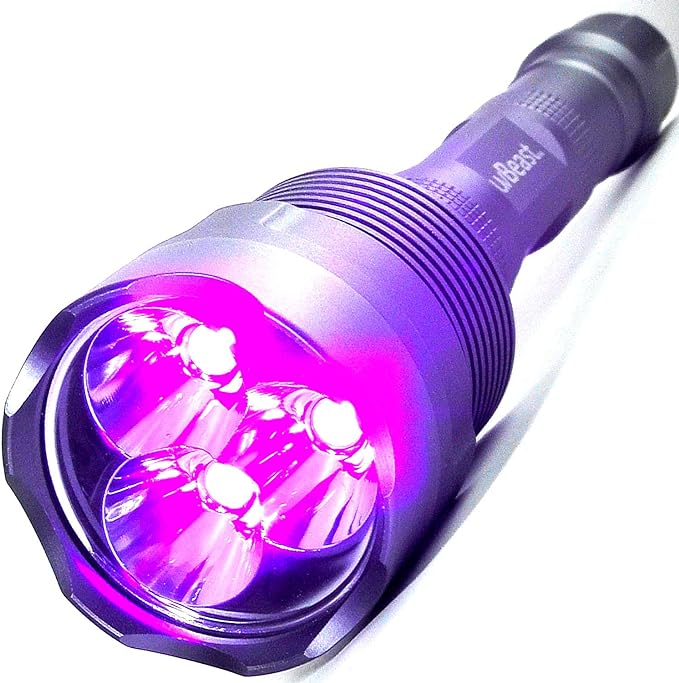
Emperor scorpions, like most scorpion species, fluoresce a pastel blue-green under ultraviolet light, a trait so reliable that field researchers use a UV flashlight to survey wild scorpion populations at night. No one fully agrees on why scorpions glow this way, but every healthy scorpion does it, tarantulas don't share the trait at all.
The Lifespan Gap Isn't Even Between the Sexes
This is where the two animals diverge the most sharply. A female tarantula of a commonly kept species can live 15 to 30 years, continuing to molt and grow for essentially her entire adult life. A male of the same species usually lives only 3 to 6 years, stops molting once mature, and often dies within about a year of reaching adulthood and mating. Emperor scorpions don't show anywhere near that gap, both sexes commonly live 5 to 8 years, making their lifespan far more predictable regardless of which one you end up with.
An Emperor Scorpion is the better fit if you want a more predictable lifespan regardless of sex, and don't mind a true, if mild, venomous sting existing as part of the package. Its pincers are the more immediate everyday risk, not the stinger.
Bottom Line
Pick a tarantula if you want a mostly hands-off, long-lived invertebrate and are comfortable with a female's lifespan running into the decades. Pick an emperor scorpion if a more predictable lifespan and that unmistakable UV glow matter more to you, and you're fine with a genuine, if mild, sting being part of the deal. Neither is a pet you should plan on handling regularly. The tarantula and emperor scorpion encyclopedia profiles cover the burrow-and-ambush lives behind why neither wants handling.
Sources & Further Reading
❓ Frequently Asked Questions
Is a tarantula or an emperor scorpion more dangerous to keep?
Neither is dangerous for the commonly kept beginner species. The New World tarantulas most often sold as pets have venom about as mild as a wasp sting and defend mainly with barbed urticating hairs, not a bite. Emperor scorpions do have a true venomous sting, but scientists consider it mild, comparable to a bee sting, since the species relies on its large pincers rather than its stinger for both defense and hunting.
Do tarantulas and emperor scorpions reproduce the same way?
No, this is one of the clearest biological differences between them. Female tarantulas lay eggs, sometimes hundreds at once, inside a silk egg sac. Emperor scorpions give live birth instead, after roughly nine months of gestation, and the 10 to 12 newborns climb onto their mother's back and stay there until they're old enough to be on their own.
Why do female tarantulas live so much longer than males?
It comes down to molting. Female tarantulas keep molting throughout their entire adult life, which is part of what lets them keep growing and living for decades. Males stop molting once they mature, and most die within about a year of reaching maturity and mating. A female of a popular pet species can live 15 to 30 years; a male of the same species often lives only 3 to 6.
Do emperor scorpions glow?
Yes. Emperor scorpions, like most scorpion species, fluoresce a pastel blue-green color under ultraviolet light, a well-documented trait used by researchers to survey wild scorpion populations at night. It has nothing to do with mood or health, every healthy emperor scorpion does it under a blacklight.
Which is easier to handle, a tarantula or an emperor scorpion?
Neither is recommended for regular handling, for different reasons. A dropped tarantula, even from a short height, can rupture its abdomen and die, making a fall far more dangerous to the animal than any bite risk to the keeper. An emperor scorpion's pincers and mild sting make it a real, if minor, pinch and sting risk to a keeper, so most keepers view both as look-don't-handle pets.
🦂 How Much Does an Emperor Scorpion Really Cost?
🕷️ How Much Does a Tarantula Really Cost?
🦂 Should You Handle an Emperor Scorpion? Rarely, and Carefully
🕷️ Should You Handle a Tarantula? Almost Always, No
🦂 Common Emperor Scorpion Health Issues and What Causes Them
🕷️ Common Tarantula Health Issues (Prevention Matters More Than Treatment)
🦂 Emperor Scorpion Enclosure Setup: Deep Substrate, High Humidity, No UVB
🕷️ Tarantula Enclosure Setup: Shape, Substrate, and a Humidity Debate
🕷️ Tarantula Feeding: Schedule, Diet, and Why They Stop Eating
🦂 Emperor Scorpion Enrichment: One of the Few You Can Keep in a Group
🕷️ Tarantula Enrichment: The Spider Sat Still in Both Enclosures
🦂 Are Emperor Scorpions Legal? Six States Say No or Maybe
🕷️ Are Tarantulas Legal? The Species Question Most States Never Ask
🕷️ 10 Surprising Emperor Scorpion Facts
🕷️ 10 Surprising Tarantula Facts
🛒 Recommended Gear
As an Amazon Associate, we earn from qualifying purchases through the links above - at no extra cost to you.

Written by Michael Ryan
Mike keeps two rescued bearded dragons, Dex and Cera, and writes the care guides on BeastlyFacts from his own research and mistakes. He is not a veterinarian.
More about Michael Ryan →Comments
No comments yet - be the first!