Oscar
Astronotus ocellatus
On This Page▾
🌍 Overview
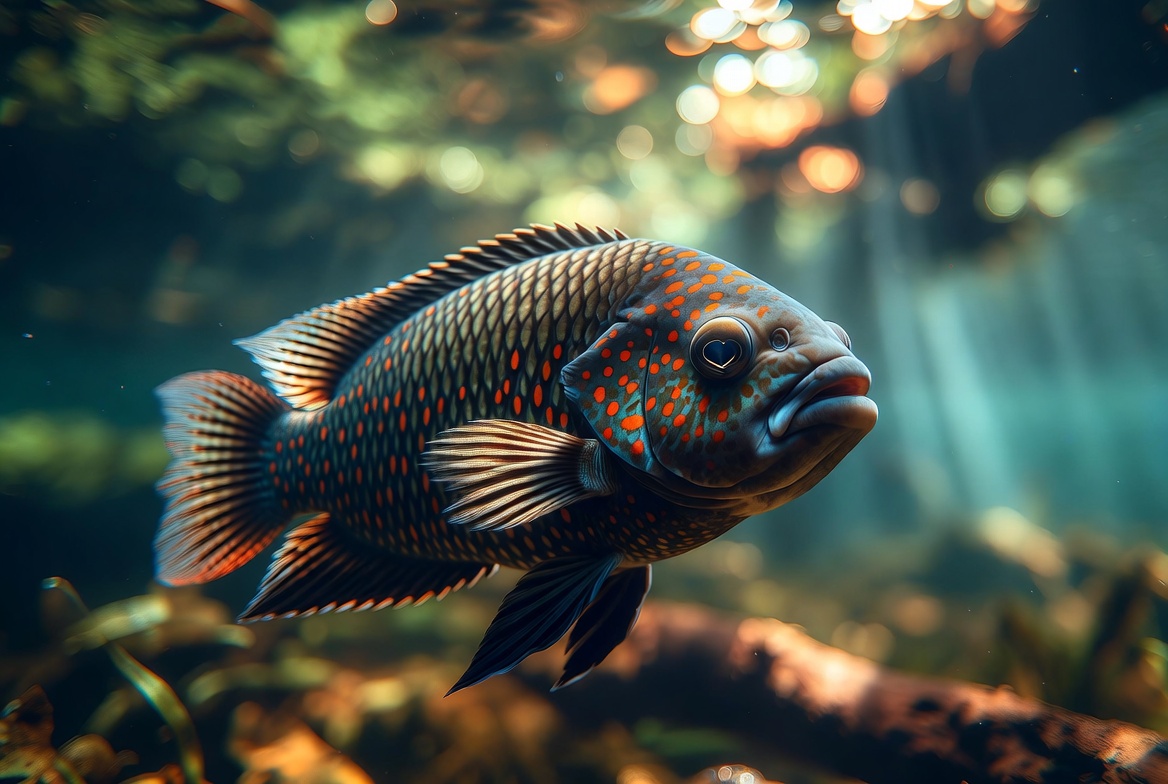
The oscar is a large, predatory cichlid native to the Amazon Basin, prized in the aquarium hobby for its intelligence and strong bonds with individual keepers - behavior distinctive enough to have earned it the nickname 'water dog.' Oscars are naturally curious and active diggers, regularly rearranging substrate and decor in their environment. Outside their native range, oscars have also been widely introduced and established as an invasive species in warm-water systems around the world.
📋 Quick Facts
Native Range
Amazon Basin (Peru, Colombia, Brazil)
Natural Habitat
Slow-moving rivers, floodplains, and calm backwaters
Adult Size
10-14 inches (25-36 cm); up to 16 inches in optimal conditions
Wild Diet
Fish, insects, crustaceans, and worms
Wild Lifespan
Not well documented in the wild; 10 to 15 years in captivity, with well-kept individuals occasionally close to 20
Conservation Status
Least Concern (IUCN)
📜 History
Louis Agassiz named the species in 1831 and got it badly wrong. Believing his specimen had come from the Atlantic Ocean, he filed it as Lobotes ocellatus, in a genus of marine tripletails, and the correction to the South American cichlid genus Astronotus came later. The Florida record is unusually specific: the breeding populations in the south of the state trace to a deliberate stocking by aquarium fish farms in Dade County in the late 1950s, and the fish has since turned up in at least six counties and inside Everglades National Park. In its native rivers the oscar is not a curiosity but a food fish, taken and sold by artisanal fishers.
⚖️ Compare
Oscar
Human
Adult Size
10-14 inches (25-36 cm); up to 16 inches in optimal conditions
5-6 feet (150-185 cm); ~135-200 lbs
Wild Lifespan
Not well documented in the wild; 10 to 15 years in captivity, with well-kept individuals occasionally close to 20
~73 years (global average)
Wild Diet
Fish, insects, crustaceans, and worms
Omnivorous - eats just about anything
Native Range
Amazon Basin (Peru, Colombia, Brazil)
Global - originated in Africa roughly 300,000 years ago
Natural Habitat
Slow-moving rivers, floodplains, and calm backwaters
Everywhere from arctic tundra to tropical megacities
Conservation Status
Least Concern (IUCN)
Least Concern (8+ billion and counting)
🧠 Test Yourself
What's the Oscar's native range?
Subscribe - it's free
New animal facts and care guides straight to your inbox. No spam. 🐾
📰 Deep Dive
🐠 How Much Does Oscar Fish Ownership Really Cost?
🐠 Oscar Fish Aren't Handled, But They're the Closest Thing to a Pet Dog in Your Tank
🐠 Common Oscar Fish Health Issues (Hole-in-the-Head Is the One to Know)
🐠 Oscar Fish Tank Setup: Bigger and More Filtered Than You Expect
🐠 Oscar Fish Feeding: Schedule, Diet, and Why Feeder Goldfish Are a Mistake
🐠 Oscar Enrichment: The Fish That Rearranges the Tank Itself
🩺 Health and More
🐠 Aquarium Power Outages, Transport, and Moving Your Fish: The Complete Plan
🦠 How to Cycle a Fish Tank, Start to Finish: Fishless and Fish-In
🧽 Aquarium Filtration: How It Actually Works and How to Maintain It
🪣 Aquarium Water Changes: How Much, How Often, and What the Number Is For
🐟 Aquarium Stocking and Tankmates: How Many Fish, and Which Ones Go Together
🧪 Freshwater pH, GH, and KH: Why Chasing a Number Backfires
🤓 Did You Know?
Oscars are sometimes nicknamed 'water dogs' because of how strongly they bond with and recognize individual keepers - learning to beg at the glass, follow a finger around the tank, and in some cases tolerate supervised hand-feeding, behavior that sets them apart from most other fish.
Explore More