Cherry Shrimp Tank Setup: Size, Hard Water, and a Gentle Sponge Filter
On This Page▾

Cherry shrimp are native to streams, rivers, ponds, and lakes across Taiwan, eastern China, the Korean peninsula, and Vietnam, generally in clear, vegetated water rather than open current, according to Aquariadise. That background explains most of what this species wants in a tank: less raw space than a comparable fish, but noticeably less tolerance for hard water swings or a strong filter intake.
Tank Size
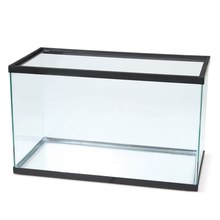
5 gallons is a commonly cited practical minimum, according to Aquariadise. Aquarium Co-Op notes shrimp can technically survive in a 2-gallon nano tank, but recommends 10 gallons or larger for a healthy, self-sustaining breeding colony, since more water volume buffers the small, constant parameter shifts a growing colony naturally causes. Aquarium Co-Op also suggests keeping at least 10 shrimp to reliably end up with both sexes in a starting group.
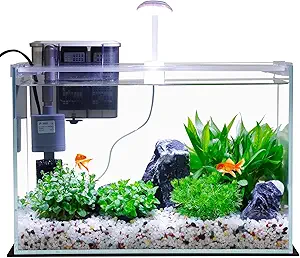
A 10-gallon tank is a comfortable, stable choice for a colony that's going to grow. If you'd rather start smaller, a 5-gallon all-in-one kit works too, just cover its built-in filter intake with a pre-filter sponge before adding shrimp, more on filter intakes below.
Water Hardness: The Detail Most Fish-Only Keepers Skip
This is the single most shrimp-specific requirement on this page. The floor is a GH of 6 degrees (about 110 ppm) and a KH of 2 degrees (about 40 ppm). The tighter target, and the one that most reliably supports a full, hard molt, is roughly 6 to 8 dGH and 2 to 4 dKH alongside a pH of 6.5 to 7.5. Mineral hardness is what a shrimp actually pulls calcium from to build a new shell after every molt, so a tank that's too soft leads directly to failed and soft molts. Test your source water before assuming it's automatically suitable, and adjust gradually with a remineralizing product rather than all at once if it comes up short.
Temperature
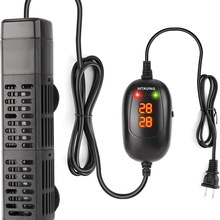
A comfortable range of 60 to 82°F, with 72 to 76°F optimal, and an outer tolerated range as wide as 57 to 86°F. In practice, that means most home rooms sit comfortably inside this species' range without any supplemental heat at all, a real point of contrast with a lot of tropical fish. A heater is still worth having if your room regularly runs cooler than the high 50s, or if you want a stable, warmer setpoint for more consistent growth and breeding.
Filtration: Gentle, and Covered
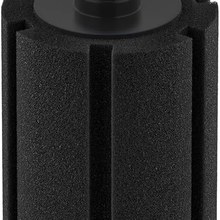
Keep flow gentle, and make sure the intake can't pull shrimp in. Aquarium Co-Op is direct about this: "use a sponge filter or cover the filter input with a pre-filter sponge to ensure that no baby shrimp accidentally get sucked up." A sponge filter is the simplest way to satisfy both requirements at once, gentle output and an intake a shrimp physically can't be pulled into.
Substrate and Decor
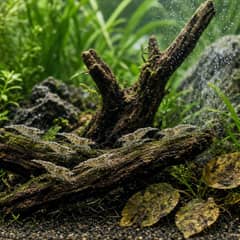
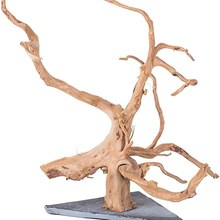
A simple, inert substrate works fine, cherry shrimp aren't picky about substrate composition the way some plants are. Driftwood adds grazing surface as it develops a biofilm coating, and dried Indian almond leaves do the same thing faster.
The Non-Obvious Requirement: Let the Tank Mature Before Shrimp Go In
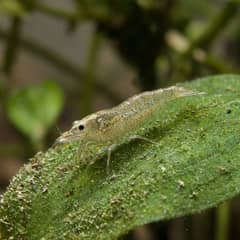
Cherry shrimp should go into an established, fully cycled tank, not a brand-new one. Beyond ammonia and nitrite reading zero, the tank needs real time for a biofilm layer to develop on surfaces and plants, since that biofilm is a meaningful part of what a healthy colony eats day to day. Dense live plants or moss speed that process along and double as cover where newly hatched shrimp can hide from adults, filter flow, and any fish tankmates. Amano shrimp do well in a similar setup and are a common, compatible tankmate; ghost shrimp tolerate a wider range of conditions but are more likely to prey on smaller or freshly molted cherry shrimp, so give them extra cover if you mix the two.
Even taxonomists don't fully agree on what to call this shrimp. The species has gone by several names over the past century, including Neocaridina heteropoda and Neocaridina denticulata sinensis, before most references settled on Neocaridina davidi. But a 2024 study in Current Issues in Molecular Biology reopened the question, arguing on genetic grounds that davidi, wild denticulata populations, and the aquarium-trade name heteropoda are all the same species, and proposing that the older name N. denticulata should actually take priority. The researchers also note that decades of selective crossbreeding for aquarium color varieties have muddied the genetic picture further, making a tidy answer harder to reach. Whatever the shrimp in your tank ends up officially called, its care needs won't change.
The Cherry shrimp encyclopedia profile has more on the species itself.
Sources & Further Reading
Last reviewed 16 Sep 2026 · 4 sources
- Caresheet: Cherry Shrimp, Aquariadise
- Care Guide for Cherry Shrimp, Aquarium Co-Op
- Shrimp Water Parameters: GH, KH, pH, TDS Explained, Tropical Treasures Wyo
- Integrative Taxonomy Reveals New Insights into the Species Validity of the Neocaridina davidi-N. denticulata-N. heteropoda Complex, Current Issues in Molecular Biology, 2024
❓ Frequently Asked Questions
What size tank do cherry shrimp need?
5 gallons is the commonly cited practical minimum. Shrimp can technically survive in a 2-gallon nano tank, but 10 gallons or more suits a stable breeding colony, since more water absorbs the small parameter shifts a growing colony causes.
What GH and KH do cherry shrimp need?
The floor is GH 6 degrees (about 110 ppm) and KH 2 degrees (about 40 ppm). The tighter target is roughly 6 to 8 dGH and 2 to 4 dKH, the range that most reliably supports a full, hard molt rather than a soft or failed one.
What temperature do cherry shrimp need, and do they need a heater?
A comfortable range of 60 to 82°F, with 72 to 76°F optimal, and an outer tolerated range of 57 to 86°F. That covers most home room temperatures without a heater, though a heater is worth adding if your room regularly dips below the high 50s or you want a stable, warmer setpoint.
What kind of filter is safe for a cherry shrimp tank?
A sponge filter, or a standard filter with its intake covered by a pre-filter sponge. Aquarium Co-Op specifically warns that an uncovered filter intake can pull baby shrimp in, and adult shrimp aren't entirely safe from a strong intake either. Gentle water movement also better matches the calmer water this species is used to.
Why does a planted tank matter so much for cherry shrimp?
Live plants and moss grow the biofilm and algae that make up most of a healthy colony's diet, and they give newly hatched shrimp somewhere to hide from adults, filter intakes, and any fish tankmates. A heavily planted tank is also part of why cherry shrimp shouldn't go into a brand-new setup, that biofilm layer needs real time to establish.
📰 More on the Cherry Shrimp
📘 Cherry Shrimp care guide
🦐 How Much Does Cherry Shrimp Ownership Really Cost?
🦐 Cherry Shrimp Aren't Handled at All, But Transfers Deserve Real Care
🦐 Common Cherry Shrimp Health Issues (And the One Chemical That Kills Them Fastest)
🦐 Cherry Shrimp Feeding: Diet, Portions, and the Overfeeding Trap
🦐 Cherry Shrimp Enrichment: Surfaces to Graze, Not Food to Add
🛒 Recommended Gear
As an Amazon Associate, we earn from qualifying purchases through the links above - at no extra cost to you.
Written by Michael Ryan
Mike keeps two rescued bearded dragons, Dex and Cera, and writes the care guides on BeastlyFacts from his own research and mistakes. He is not a veterinarian.
More about Michael Ryan →Comments
No comments yet - be the first!