Amano Shrimp Feeding: The Hobby's Best Algae Eater, With Real Limits
On This Page▾

Amano shrimp do deserve the reputation as the single best true algae eater in the aquarium hobby, but that reputation gets oversold in a specific, useful-to-know way.
What "Best Algae Eater in the Hobby" Means
Aquarium Co-Op puts amano shrimp near the top of the algae-eating hierarchy for good reason: they take on hair algae and thread algae readily, and unlike most fish and snails, they'll also pick at black beard algae, a notoriously tough type that keeps a lot of other cleanup crew members away entirely. Shrimp Science confirms the same pattern: soft, filamentous algae is squarely in their wheelhouse.
That's a genuinely strong résumé, and it's earned the species its status as the default recommendation whenever a planted tank starts growing more algae than its owner wants.
Where the Reputation Oversells It
The gap shows up on flat, tightly adhered algae. Shrimp Science is specific about this limit: amano shrimp will happily eat beard algae but "won't be able to get at the tougher types like green spot algae," the hard, adhered spots that show up on glass and slow-growing leaves. Seriously Fish goes further, calling "algae shrimp" a somewhat misleading name in the first place and noting plainly that the species is unable to survive on a diet of algae alone. Cyanobacteria, often called blue-green algae, isn't a true algae at all, and amano shrimp generally leave it alone, it needs to be treated and corrected like the bacterial bloom it actually is, not grazed away.
None of that makes them a bad choice, it makes them one tool rather than a complete algae-control plan on their own. A single established beard algae outbreak is still more than any one shrimp, or even a full group, can clear by itself.
When Tank Algae Runs Low, Supplement or They'll Starve
This is the part that trips up new keepers the most. Algae is a starting food supply, not a renewable one, and a hungry group of amano shrimp works through it faster than most people expect, especially in a newer or well-maintained tank that never had much algae to begin with. Aquarium Co-Op is direct about it: if the tank is clean, supplement, full stop.
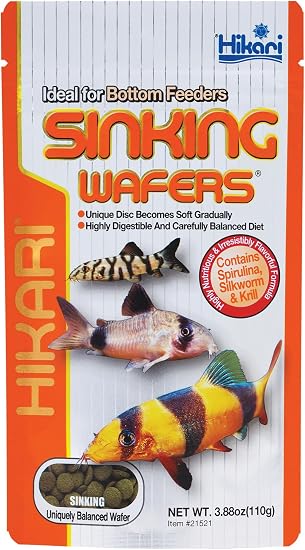
A hungry amano shrimp gives you an honest signal before it starves: it climbs the glass and decor actively searching rather than sitting still and waiting for food to arrive. Once you see that behavior, or the tank's visible algae is clearly thinning, add a sinking wafer or blanched zucchini, spinach, or cucumber.
Feeding Frequency and the "Stay Hungry" Rule
Feed lightly and only every couple of days rather than heavily every day. Overfeeding supplemental food is its own mistake here: shrimp that are getting plenty of easy wafers and pellets stop bothering with algae, which defeats the point of keeping them in the first place. Offer a small amount, remove anything left after a few hours, and let the shrimp stay motivated to keep working the tank.
After molting, an amano shrimp will turn around and eat its own just-shed exoskeleton over the next day or two, recovering the calcium and other minerals in it before it has a chance to decay. Shrimp Science calls it a genuinely efficient piece of recycling, the old shell is packed with exactly the minerals the shrimp needs to harden its new one. It's also a good reason not to remove a fresh molt from the tank the moment you spot it, give it a couple of days first.
Foods and Additives to Avoid
Avoid any food, medication, or fertilizer that contains copper in any form, since it's toxic to invertebrates even in amounts too small to bother fish. Beyond that, skip anything oversalted or heavily processed, a varied rotation of algae, wafers, and blanched vegetables covers what an amano shrimp actually needs.
The Amano shrimp encyclopedia profile has the full natural history.
For a freshwater shrimp with a completely different diet strategy, our Cherry shrimp encyclopedia profile covers a species that grazes constantly rather than working through a set food supply.
Sources & Further Reading
❓ Frequently Asked Questions
What do amano shrimp eat?
Algae and biofilm as the foundation, supplemented with sinking wafers, shrimp pellets, and blanched vegetables like zucchini, spinach, or cucumber. Amano shrimp cannot survive on algae alone, despite the reputation, so supplemental food is a requirement, not an extra.
What algae are amano shrimp good at eating?
Hair algae and thread algae are where they excel, and they'll take on black beard algae too, which most fish and snails leave completely alone. A well-established beard algae mat is still more than one animal can fully clear on its own.
What algae do amano shrimp struggle with?
Flat, tightly adhered types like green spot algae. Amano shrimp eat soft algae like beard algae readily and cannot get at the tougher, surface-bonded types. Cyanobacteria (blue-green algae) isn't a true algae at all and amano shrimp generally leave it alone too, it needs to be treated as a bacterial bloom instead.
How do I know when to start supplemental feeding?
Watch behavior more than the tank. A well-fed amano shrimp grazes and largely ignores you. A hungry one actively climbs the glass and decor searching for food rather than waiting. Once you see that searching behavior, or the tank's visible algae has clearly thinned out, it's time to add sinking wafers or blanched vegetables.
Can amano shrimp survive on tank algae alone long term?
No, not once that algae runs out, and in a well-maintained or heavily stocked tank it can run out fast. Algae is not a renewable, unlimited food source, it's a starting supply that a hungry group of shrimp will work through, after which starvation is a real risk without supplemental feeding.
📰 More on the Amano Shrimp
📘 Amano Shrimp care guide
🦐 How Much Does Amano Shrimp Ownership Really Cost?
🦐 How to Handle Amano Shrimp (Minimal Contact, Careful Acclimation)
🦐 Common Amano Shrimp Health Issues (And Why 'Disease' Usually Isn't the Right Word)
🦐 Amano Shrimp Tank Setup: Minimal Bioload, Real Current, and a Lid That Actually Seals
🦐 Amano Shrimp Enrichment: The Algae Runs Out and Nobody Notices
🛒 Recommended Gear
As an Amazon Associate, we earn from qualifying purchases through the links above - at no extra cost to you.
Written by Michael Ryan
Mike keeps two rescued bearded dragons, Dex and Cera, and writes the care guides on BeastlyFacts from his own research and mistakes. He is not a veterinarian.
More about Michael Ryan →Comments
No comments yet - be the first!