Giant Millipede Enclosure Setup
On This Page▾

Giant millipede care comes down almost entirely to one thing done well: deep, correctly moist organic substrate. Get that right and this is a genuinely low-maintenance pet to keep long-term.
Enclosure Size
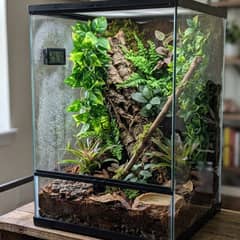
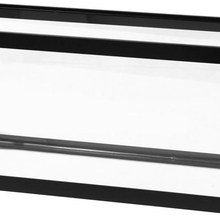
A minimum of 10 to 15 gallons for one adult, with many keepers recommending something closer to a 36x18x18 inch enclosure, roughly a 40-gallon equivalent, or a 20 gallon long tank. Floor space matters more than height for this ground-dwelling species. A secure, tightly fitting lid is essential, millipedes are capable climbers and genuine escape artists. More than one adult is fine and normal, since this is a communal species that will cluster together even in a large enclosure, as long as space, hides and food are all abundant. What limits a group is crowding, which brings stress and competition for resources.
Temperature
72 to 80°F suits this species well, and normal room temperature is often sufficient without any additional heat source. Keep the enclosure away from direct sun and drafts. A low-wattage heat mat is only worth adding if your space runs consistently cold.
Humidity
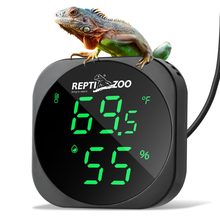
70 to 80%, achieved by keeping roughly a third of the substrate genuinely moist, misting once or twice daily with a fine mist spray bottle, and ensuring good cross-ventilation to prevent mold and mite problems. Monitor with a digital hygrometer rather than guessing.

Substrate: The Single Most Important Element of This Setup
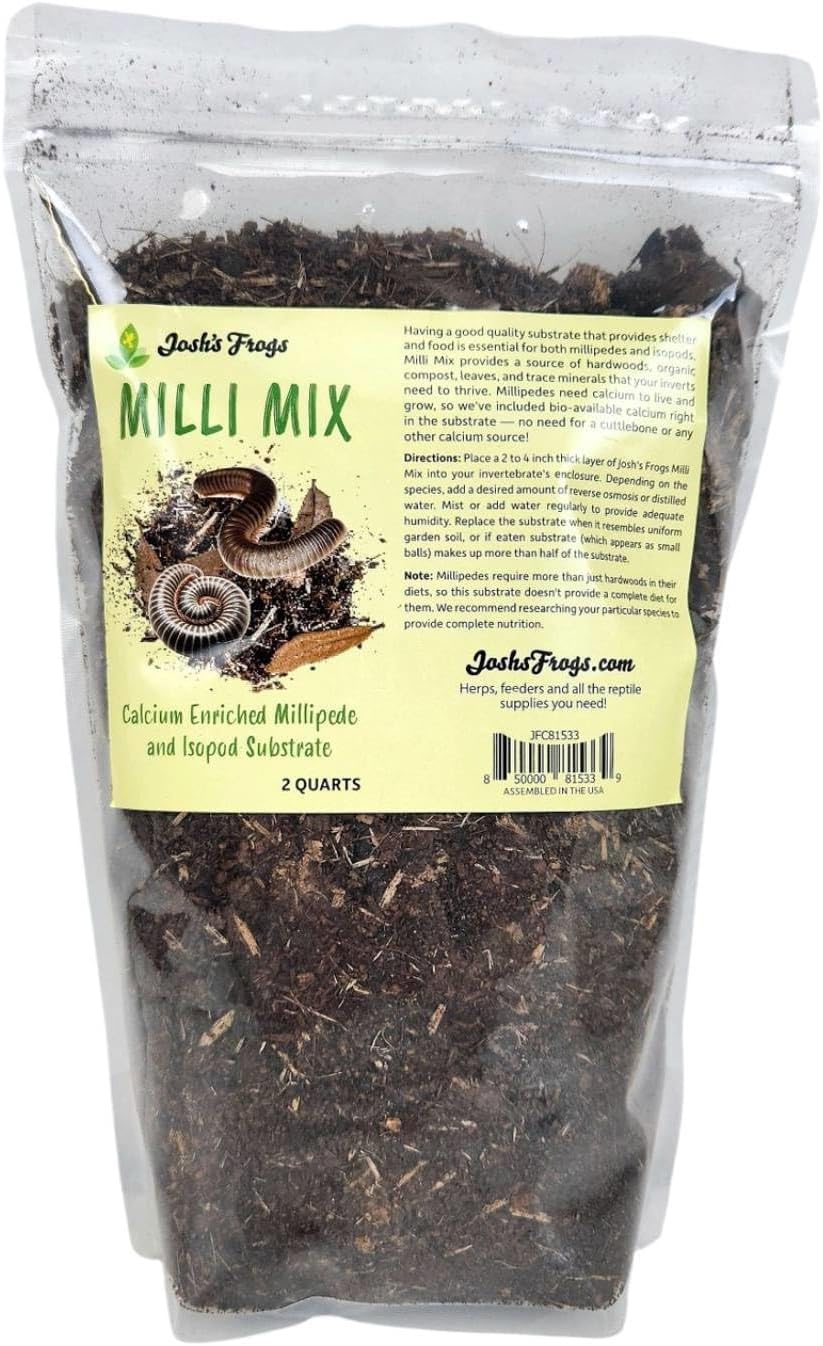
This deserves real attention, since substrate for this species is both habitat and food source at once, not just decoration. Provide 4 to 6 inches of pesticide-free organic topsoil, such as this Milli Mix millipede and isopod substrate, mixed with coconut fiber, along with decaying hardwood and hardwood leaf litter, oak and beech both work well. Avoid softwoods like pine and cedar entirely, their resins are toxic to this species, and never use any substrate material that's been treated with pesticides. Add a calcium source, cuttlebone or crushed oyster shell, directly into the enclosure. Skip it and the exoskeleton goes soft and the molts start failing.

Isopods are the default cleanup crew choice in most bioactive setups, but they're actually a bad match for this species. Isopods can harass or weaken a giant millipede when housed together, an unexpected conflict worth knowing about before you build a combined bioactive tank.
Diet Basics
The substrate is most of the diet. Decaying hardwood and pesticide-free hardwood leaf litter, oak, beech and maple, is the staple food itself, and the floor it sits on at the same time.
Fresh produce is a supplement on top of that: cucumber, carrot, sweet potato and leafy greens, plus small amounts of fruit such as apple, banana, melon or mango, offered every two to three days and taken back out before it molds. Calcium stays in permanently instead of going in on a schedule, a cuttlebone or powdered calcium carbonate left on the substrate for the animal to gnaw when it needs it. So is water, in a small shallow dish with a few pebbles dropped in so nothing drowns in it.
Lighting
None required. This species actively avoids bright light. If you're running live plants in a bioactive setup, a low-output 6500K plant light is the only lighting worth adding.
The Non-Obvious Requirement: Skip Isopods as Cleanup Crew
If you're building a bioactive enclosure, isopods and springtails can go in with the millipede. Bugs in Cyberspace's care sheet has millipedes doing well housed with cockroaches, isopods and other humid-habitat bugs, and the one open question is eggs: there is some concern the tankmates eat millipede eggs, which the same sheet calls unproven. Keep a cleanup crew in a display tank, and leave it out of a tank you are breeding in.
If you're comparing this species against other exotic pets, see Jackson's Chameleon, Canary, Giant Millipede & Corydoras Catfish compared.
Sources & Further Reading
Last reviewed 15 Sep 2026 · 2 sources
❓ Frequently Asked Questions
What size enclosure does a giant millipede need?
10 to 15 gallons is the floor for one adult, though many keepers go closer to 36x18x18 inches, about a 40-gallon, or a 20-gallon long. Floor space beats height for a ground-dweller, and the lid has to fit tightly.
What temperature does a giant millipede need?
72 to 80°F, which normal room temperature usually covers without a heat source. Keep the enclosure out of direct sun and drafts, and add a low-wattage heat mat only if the room runs cold.
What humidity does a giant millipede need?
70 to 80%. Keep about a third of the substrate moist, mist once or twice daily, and give the enclosure good cross-ventilation. Use a digital hygrometer rather than guessing.
What's the best substrate for a giant millipede?
4 to 6 inches of pesticide-free organic topsoil mixed with coconut fiber, plus decaying hardwood and hardwood leaf litter; oak and beech both work. No softwoods, since pine and cedar resins are toxic here, and nothing pesticide-treated.
Does a giant millipede enclosure need special lighting?
No. It actively avoids bright light. The one exception is a bioactive setup with live plants, where a low-output 6500K plant light earns its place.
Should you add isopods as a cleanup crew?
No. Isopods can harass or weaken a millipede sharing an enclosure, an unexpected conflict worth knowing before you build a combined bioactive tank.
📰 More on the Giant Millipede
📘 Giant Millipede care guide
🪱 How Much Does a Giant Millipede Really Cost? (And a Supply Note Worth Knowing)
🪱 How to Handle a Giant Millipede (Gentle Giant, Brittle Shell)
🪱 Common Giant Millipede Health Issues
🪲 Giant Millipede Enrichment: The Substrate Is the Food and the Home
🐛 Is It Legal to Own a Giant African Millipede? State-by-State Guide
🛒 Recommended Gear
As an Amazon Associate, we earn from qualifying purchases through the links above - at no extra cost to you.
Written by Michael Ryan
Mike keeps two rescued bearded dragons, Dex and Cera, and writes the care guides on BeastlyFacts from his own research and mistakes. He is not a veterinarian.
More about Michael Ryan →Comments
No comments yet - be the first!