Why Cats Need Mental Enrichment (And How Boredom Can Break Them)
On This Page▾

Picture a tiny, stealthy predator crouched in tall grass, eyes locked on its prey, every muscle coiled and ready to pounce. Now picture that same predator curled up on your couch, staring blankly at the wall for the fifth hour in a row. That is the reality for millions of indoor cats, and it is doing them no favors. Cats are hardwired hunters, and when that instinct has nowhere to go, trouble follows.
Mental enrichment is not a luxury for cats. It is a biological need. In the wild, a cat spends a significant portion of its day stalking, chasing, pouncing, and problem-solving. Indoor life removes most of those challenges, which can leave cats understimulated, anxious, and prone to a whole range of behavioral and physical problems.
The good news? You do not need a sprawling outdoor territory to keep your cat mentally sharp. With the right tools and a little creativity, you can transform even a small apartment into a stimulating environment your cat will love. Let's dig into why enrichment matters and exactly how to provide it.
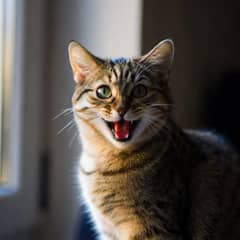
Cats make a unique chattering sound when they spot birds or squirrels through a window. Researchers believe this behavior mimics the killing bite cats use on prey, suggesting their brains are so wired for hunting that even watching potential prey triggers a full predatory response. Some cats will chatter for minutes at a time, completely absorbed in the fantasy of the hunt!
What Mental Enrichment Really Means for Cats
Mental enrichment refers to any activity or environmental feature that engages a cat's mind and natural instincts. Think of it as brain exercise. Just as physical activity keeps a cat's body healthy, mental stimulation keeps its mind sharp, its mood stable, and its behavior balanced. Enrichment taps into the core behaviors cats are built for: hunting, exploring, climbing, hiding, and problem-solving.
A well-enriched cat is not just a happier cat. It is a healthier one. Studies in feline behavior show that cats with access to regular mental stimulation have lower stress hormone levels, healthier body weights, and fewer visits to the vet for stress-related conditions. Enrichment is preventive medicine in the form of play.
Boredom and Its Surprising Consequences
When cats do not get enough mental stimulation, their pent-up energy and frustration have to go somewhere. That somewhere is usually your furniture, your ankles, or your sanity. Boredom-driven behaviors are among the most common complaints cat owners bring to veterinarians and animal behaviorists.
Common signs of a bored or understimulated cat include excessive scratching of furniture, unprovoked aggression toward people or other pets, overeating and weight gain, repetitive behaviors like pacing or excessive grooming, and attention-seeking behaviors like yowling at odd hours. In severe cases, chronic boredom can contribute to anxiety disorders and depression in cats, conditions that are increasingly recognized by veterinary professionals.
The root cause is almost always the same: a cat whose natural instincts have no healthy outlet. Recognizing boredom early and addressing it with enrichment can prevent these behaviors from becoming ingrained habits that are much harder to correct later.
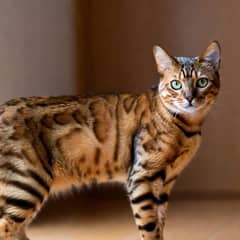
Some breeds hit this wall faster than others. The Bengal is the usual example, an active, intelligent cat a few generations removed from a wild ancestor, and the households that struggle with one are almost always the households treating it like a low-maintenance shorthair. That wild ancestry is also why the Bengal is the one cat breed with its own body of state law, covered in our Bengal cat legal guide.
Types of Enrichment That Actually Work
Not all enrichment is created equal, and different cats respond to different types of stimulation. The key is variety. Rotating activities keeps things fresh and prevents your cat from losing interest. Here are some of the most effective enrichment options available to cat owners.
Puzzle feeders are one of the most powerful enrichment tools available. Instead of eating from a bowl in 30 seconds, your cat has to work for its food by batting, rolling, or manipulating a feeder to release kibble. This mimics the effort a wild cat puts into catching prey and can dramatically slow down fast eaters while keeping minds engaged.
Wand toys are the gold standard for interactive play. A feather wand or ribbon toy moved unpredictably by a human triggers the full predatory sequence in cats: stalk, chase, pounce, and catch. Even 10 to 15 minutes of wand play per day can make a measurable difference in a cat's mood and behavior. The interactive element also strengthens the bond between cat and owner.
Window perches give cats access to what behaviorists call "cat TV": the endlessly entertaining world outside. Birds, squirrels, passing cars, and blowing leaves all provide visual and auditory stimulation that keeps cats engaged for hours. A sturdy window perch positioned near a bird feeder is one of the cheapest and most effective enrichment investments you can make. Setting that feeder up well pays off for you as much as the cat, our beginner birdwatching guide covers which species turn up in which season and how to tell them apart.
Cat TV and nature videos on a tablet or television can supplement window watching, especially for cats in apartments without much of a view. Videos of birds, fish, and squirrels are widely available and many cats will watch them with intense focus. While not a replacement for active play, they are a useful addition to an enrichment routine.
Indoor vs Outdoor Enrichment Considerations
Outdoor access provides unmatched sensory richness for cats. Fresh air, natural scents, real prey animals, and varied terrain engage every one of a cat's senses simultaneously. However, outdoor life also carries real risks: traffic, predators, disease, and parasites. For many cat owners, a fully outdoor lifestyle is not a safe or practical option.
The best compromise for many households is a catio, an enclosed outdoor enclosure that lets cats experience the sights, sounds, and smells of the outdoors without the associated dangers. Catios range from small window-box attachments to elaborate multi-level structures. Leash training is another option that works surprisingly well for many cats, allowing supervised outdoor exploration on your terms.
For strictly indoor cats, the goal is to bring as much of the outdoor experience inside as possible. Grow cat-safe plants like catnip, valerian, or cat grass. Introduce novel scents by rotating toys or bringing in natural materials like pinecones or dried herbs. Vary the layout of furniture and climbing structures periodically to give your cat new territory to explore.
| Enrichment Type | Stimulation Level | Cost | Best For | Time Required |
|---|---|---|---|---|
| Puzzle Feeders | High | $10-$30 | Cats who eat too fast or need solo stimulation | Minimal (self-directed) |
| Wand Toys | Very High | $5-$20 | Cats needing active play and bonding time | 10-20 min daily |
| Window Perch | Moderate | $15-$50 | Cats who love watching the outdoors | Passive (ongoing) |
| Cat TV / Videos | Low to Moderate | Free to $5/month | Apartment cats with limited window views | Passive (ongoing) |
| Outdoor Enclosure / Catio | Very High | $100-$1000+ | Cats who crave outdoor stimulation safely | Minimal after setup |
- Reduces destructive behaviors like furniture scratching and aggression
- Supports healthy weight management by encouraging active play
- Strengthens the bond between cat and owner through interactive play
- Lowers stress and anxiety levels for a calmer, happier cat
- Provides cognitive stimulation that keeps aging cats mentally sharp
- Requires consistent daily time and effort from the owner
- Some enrichment tools like catios can be expensive to set up
- Cats can lose interest in toys quickly if they are not rotated regularly
Sources
1 source
Your cat is not just a pet. It is a sophisticated predator sharing your home, and it deserves an environment that respects its nature. Mental enrichment is one of the most impactful things you can do for your cat's long-term health and happiness. You do not need to overhaul your home or spend a fortune. Start small: add a puzzle feeder at mealtime, spend 15 minutes with a wand toy each evening, and set up a window perch with a view. Those small changes add up to a dramatically better quality of life for your cat.
It also helps to remember who the meowing is aimed at. Cats invented the meow for humans and barely use it on each other, so a cat that has started vocalising more at you is directing that squarely at the one animal it expects to respond.
A stimulated cat is a content cat, and a content cat makes for a much happier household. Take a look around your home today and ask yourself: is my cat's environment working for them? If the answer is not a confident yes, now is the perfect time to make a change. Your furniture, your sleep schedule, and most importantly your cat will thank you.
Written by Michael Ryan
Mike keeps two rescued bearded dragons, Dex and Cera, and writes the care guides on BeastlyFacts from his own research and mistakes. He is not a veterinarian.
More about Michael Ryan →Comments
No comments yet - be the first!