Cherry Shrimp Enrichment: Surfaces to Graze, Not Food to Add
On This Page▾

Shrimp are usually written about as decoration or as an algae solution. There is now a reasonable argument that they are neither.
A 2021 review weighed over 300 scientific papers against eight criteria and concluded that decapod crustaceans are probably sentient. UK law changed to include them. That does not make a shrimp tank complicated, and it does change the frame: this is a welfare topic, and the practical answer is surface area to graze, not more food.
What the Sentience Review Concluded
Birch, Burn, Schnell, Browning and Crump produced a review for LSE Consulting assessing the evidence for sentience in cephalopod molluscs and decapod crustaceans, published in 2021. They built an eight criterion framework and applied it to over 300 scientific publications.
The conclusion: cephalopods and decapod crustaceans are probably sentient. The UK government then extended the Animal Welfare (Sentience) Act to cover decapods, including shrimp, prawns, crabs, lobsters and crayfish.
The honest caveat, which the report itself makes: the case was weaker for some infraorders, penaeid shrimps among them, and the authors flagged the gaps instead of papering over them. Dwarf freshwater shrimp of the kind kept in aquariums were not where the strongest evidence sat. The general conclusion covers decapods as a group, and the specific evidence is uneven within it.
The report is one of the clearest examples of animal welfare science changing a law directly. It was commissioned, published, and within months decapods were added to UK sentience legislation, which is a faster route from paper to statute than most research ever gets.
Surface Area, Which Is the Whole Thing
Nearly everything a cherry shrimp does is graze biofilm. That means the useful enrichment is not food, it is more square centimeters of grazeable surface.
Dense live planting, mosses especially, plus driftwood which grows biofilm readily and gives the colony a structure to work over. Add leaf litter, catappa or oak, which breaks down slowly into exactly what shrimp want to eat.
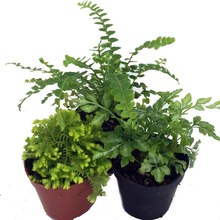
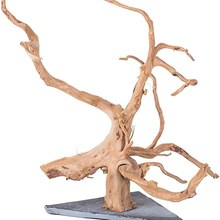
A tank of bare glass and gravel with a shrimp pellet dropped in is the impoverished version. A heavily planted tank with wood and leaves is a shrimp tank that mostly feeds itself.
Water Stability, Which Is the Welfare Item
More shrimp die from water than from anything else, and they are considerably more sensitive than the fish people compare them to.
Copper is lethal. Fish medications, some plant fertilizers and some tap water carry it, and a dose that a fish shrugs off can end a colony. Check everything that goes in the tank.
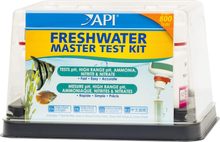
Swings matter more than values. Cherry shrimp tolerate a fairly wide parameter range and tolerate sudden changes badly. A water test kit and small regular changes beat large occasional ones.
A Colony, Not a Few
Cherry shrimp are visibly more active and more confident in numbers. A trio spends its life hidden in the moss; a colony grazes in the open.
Ten or more is a sensible start in a tank of reasonable size, and a healthy colony grows on its own. This is one of the few pets where the enrichment and the population manage themselves.
Molting, and the Minerals Behind It
Failed molts are a common cause of death and they are mostly a chemistry problem. Mineral content that is wrong or that swings suddenly is the usual cause.
Stable general hardness and a steady mineral supply do most of the work. Leave discarded shells in the tank. Shrimp eat them and recover the minerals. Our shrimp molting guide covers the process across invertebrates.
Cover, and a Safe Filter
Shrimp are vulnerable immediately after a molt and want somewhere to hide until the new shell hardens. Dense moss and leaf litter cover that.
Filter intakes need a sponge guard or a sponge filter, because shrimplets get drawn into unguarded intakes and that is a slow, invisible way to lose a colony.
Feeding, Sparingly
Once the tank is mature, most of the diet arrives on its own. Supplement lightly with a shrimp food or blanched vegetables, and remove what is not eaten.
Overfeeding is the standard mistake and it fouls water in a small tank quickly, which brings you straight back to the item that actually kills them.
Priority Order
- Grazing surface: moss, plants, driftwood and leaf litter
- Stable water, and nothing containing copper
- A colony of ten or more
- Stable minerals for molting, with old shells left in
- Cover for freshly molted shrimp
- A guarded filter intake
- Light supplementary feeding, if any
What Not to Do
Do not put copper in the tank, in any form, including fish medication. Do not make large sudden water changes. Do not keep a bare tank with a food dish and call it a shrimp setup. Do not remove discarded shells. Do not run an unguarded filter intake. Do not overfeed. And take your time netting or moving them, since transfer shock kills more shrimp than the destination tank does.
A planted tank with wood and leaf litter is most of the enrichment plan.
Sources & Further Reading
3 sources
- Birch J, Burn C, Schnell A, Browning H and Crump A (2021). Review of the evidence of sentience in cephalopod molluscs and decapod crustaceans. LSE Consulting
- Sentience in decapod crustaceans: a general framework and review of the evidence. Animal Sentience
- Animal welfare risks from commercial practices involving cephalopod molluscs and decapod crustaceans
❓ Frequently Asked Questions
Is there research on shrimp welfare?
There is a landmark review. Birch, Burn, Schnell, Browning and Crump assessed over 300 scientific publications against eight criteria for sentience and concluded that decapod crustaceans, including shrimp, are probably sentient. The UK subsequently extended animal welfare law to cover them.
Does that finding apply to cherry shrimp specifically?
Partly, and it is worth being careful here. The review found the evidence strongest for true crabs and lobsters and explicitly weaker for penaeid shrimps, flagging research gaps. Dwarf freshwater shrimp were not the strongest case in the report, and the general conclusion still covers decapods as a group.
What is the main enrichment for a cherry shrimp?
Surface area. Almost everything a cherry shrimp does is graze biofilm off surfaces, so moss, plants, driftwood and leaf litter give the colony more places to do the thing it does, rather than more food in a dish.
How many should I keep?
More than a handful. Cherry shrimp are more active, more visible and more confident in a colony, and ten or more is a sensible starting point in a tank of reasonable size. A pair or trio spends most of its time hidden.
What kills cherry shrimp most often?
Water problems, and copper in particular. They are far more sensitive to copper, ammonia and sudden parameter swings than fish are, and a treatment or plant fertilizer that is safe for fish can wipe out a colony.
Do I need to worry about molting?
Yes, and it is mostly a water chemistry question. Failed molts are common when mineral content is wrong or swings suddenly, and stable parameters plus a steady mineral supply do more to prevent them than anything else.
📰 More on the Cherry Shrimp
📘 Cherry Shrimp care guide
🦐 How Much Does Cherry Shrimp Ownership Really Cost?
🦐 Cherry Shrimp Aren't Handled at All, But Transfers Deserve Real Care
🦐 Common Cherry Shrimp Health Issues (And the One Chemical That Kills Them Fastest)
🦐 Cherry Shrimp Tank Setup: Size, Hard Water, and a Gentle Sponge Filter
🦐 Cherry Shrimp Feeding: Diet, Portions, and the Overfeeding Trap
🛒 Recommended Gear
As an Amazon Associate, we earn from qualifying purchases through the links above - at no extra cost to you.
Written by Michael Ryan
Mike keeps two rescued bearded dragons, Dex and Cera, and writes the care guides on BeastlyFacts from his own research and mistakes. He is not a veterinarian.
More about Michael Ryan →Comments
No comments yet - be the first!