Hermit Crab Enclosure Setup: Humidity, Deep Substrate, and Extra Shells
On This Page▾

Hermit crab care is different from most small-pet setups, this is a species that needs both land and water access, and its most important requirement, humidity, is the one first-time owners most often get wrong.
Tank
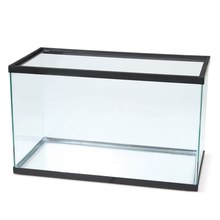
Use a glass terrarium, roughly a 10-gallon tank for 2 to 3 small crabs, more for larger crabs or bigger groups. The lid needs to seal in humidity, glass or acrylic works best; if you're using a screen lid, cover part of it with plastic wrap or tape to help retain moisture. Keep at least two crabs together, they're a genuinely social species.
Temperature
Aim for 75 to 85°F, with the warm side around 80°F. Use a side- or back-mounted heat mat. Never place a heat mat under the tank, heat rising up through deep substrate can be dangerous, even fatal, to a crab that's buried or molting underneath. That buried stretch is the vulnerable window the invertebrate molting guide describes across tarantulas, hermit crabs, and jumping spiders.
Humidity: the Single Most Important Number in This Whole Setup
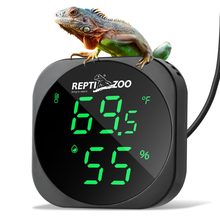
Maintain 75 to 85% relative humidity. This isn't a nice-to-have range, it's essential, hermit crabs breathe through modified gills that must stay moist to function, and inadequate humidity leads directly to dehydration and gill suffocation.
A hermit crab's gills are an evolutionary in-between, not quite the true gills of its aquatic ancestors, not quite the lungs of a fully land-adapted crab. That halfway design is exactly why it needs consistently moist air to breathe at all, even though it would drown if kept fully submerged.
Monitor with a hygrometer, and maintain the range through a combination of moist substrate, a well-sealed lid, and a dedicated moss pit. Avoid over-misting or flooding the enclosure, the goal is consistent humidity, not standing water everywhere.
Substrate
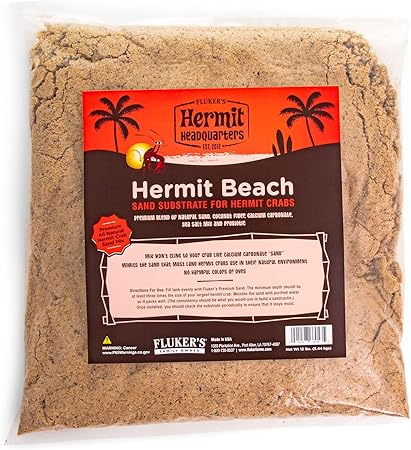
Mix play sand and coconut fiber at roughly a 5:1 ratio, aiming for a "sandcastle consistency" that holds a tunnel shape when packed. Depth matters here: at least 6 inches, or about 3 times the height of your largest crab, since hermit crabs burrow to molt and need genuine room to do it. Moisten with dechlorinated water, using saltwater for the first wetting can help prevent mold. Skip calcium sand, it cements when wet, and avoid gravel or mulch.
Water: Both Fresh and Marine, Both Required
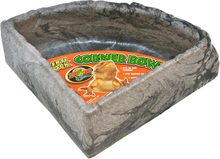
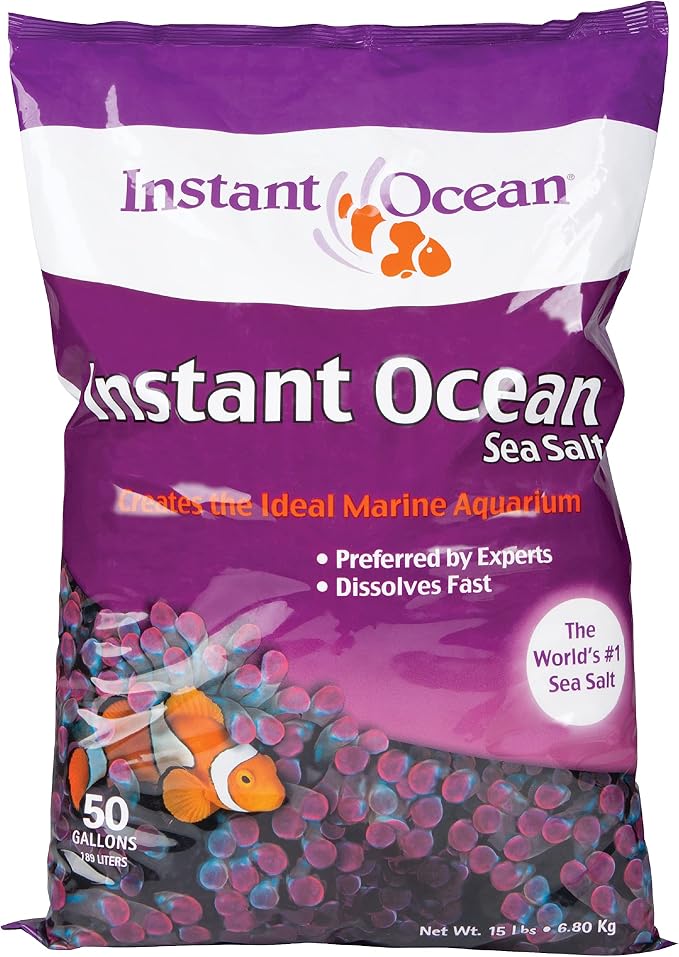
Provide two separate soakable water dishes, one with dechlorinated fresh water, one with marine saltwater made from an aquarium salt mix, never table salt. Both should be deep enough for a crab to fully submerge but include an easy way to climb back out, hermit crabs can and do drown if they can't exit. Use ceramic or otherwise non-metal dishes, hermit crabs are sensitive to metal.
Shells: the Detail That's Easy to Overlook
Offer multiple natural, unpainted shells per crab, ideally 3 to 5 or more, spanning a range of sizes so your crab has room to size up as it grows. Purple Pinchers specifically tend to prefer shells with round, turbo-style openings. Painted shells are toxic and should never go in the enclosure.
Diet
Hermit crabs are omnivorous scavengers. Offer a varied diet with calcium sources like cuttlebone, fresh fruit and vegetables, protein like dried shrimp or insects, and leaf litter. Feed in the evening, since they're most active at night, and remove leftovers the next morning.
Lighting
A standard 12-hour light, 12-hour dark cycle works well. Hermit crabs are nocturnal, and there's no established UVB requirement for this species.
The Hermit Crab encyclopedia profile has the full natural history.
Sources & Further Reading
Last reviewed 21 Jul 2026 · 2 sources
❓ Frequently Asked Questions
What size tank does a hermit crab need?
Roughly 10 gallons for 2 to 3 small crabs, and more for larger crabs or a bigger group. The lid has to hold humidity in: glass or acrylic works best, and a screen lid should have part of it covered with plastic wrap or tape to help retain moisture.
What humidity level do hermit crabs need?
75 to 85% relative humidity, checked on a hygrometer. It isn't optional: the modified gills a hermit crab breathes through must stay moist to work, and humidity below that range leads directly to dehydration and gill suffocation.
What substrate depth do hermit crabs need?
At least 6 inches, or about 3 times the height of your largest crab, using a play sand and coconut fiber mix at roughly a 5:1 ratio. Depth matters because hermit crabs burrow to molt and need genuine room to do it.
Why does a hermit crab enclosure need two water dishes?
One dish holds dechlorinated fresh water and the other holds marine saltwater made from an aquarium salt mix, never table salt. Both need to be deep enough to fully submerge in but easy to climb out of, since hermit crabs can and do drown if they can't exit.
📰 More on the Hermit Crab
📘 Hermit Crab care guide
🦀 How Much Does a Hermit Crab Really Cost?
🦀 How to Handle a Hermit Crab (Minimally, and On Its Terms)
🦀 Common Hermit Crab Health Issues (There's Almost No Vet Care, So Prevention Is Everything)
🦀 Hermit Crab Feeding: Scatter It, Vary It, and Watch the Label
🕷️ 10 Surprising Hermit Crab Facts
🛒 Recommended Gear
As an Amazon Associate, we earn from qualifying purchases through the links above - at no extra cost to you.
Written by Michael Ryan
Mike keeps two rescued bearded dragons, Dex and Cera, and writes the care guides on BeastlyFacts from his own research and mistakes. He is not a veterinarian.
More about Michael Ryan →Comments
No comments yet - be the first!