Common Hermit Crab Health Issues (There's Almost No Vet Care, So Prevention Is Everything)
On This Page▾

Here's the thing to understand upfront about hermit crab health: there's essentially no practical veterinary care available for this species, similar to the situation with pet tarantulas. That reshapes everything about how to approach their wellbeing, husbandry and prevention do nearly all of the work.
Get the enclosure right first: humidity and substrate depth prevent most of what follows.
Post-Purchase Stress (PPS), the Leading Cause of Death
Every pet hermit crab is wild-caught, not captive-bred, which means every single one goes through a real shock from capture, shipping, and a completely new environment. This adjustment period is where most hermit crab deaths actually happen.
Watch for: lethargy, burrowing and staying hidden, refusing food, and rapid loss of multiple limbs, which is a particularly strong indicator of advanced PPS. Once it's progressed significantly, there's often not much that can be done.
The prevention approach: quarantine and isolate new crabs, and improve humidity and temperature gradually rather than making sudden changes. A hermit crab generally isn't considered past the PPS risk period until it has successfully molted once in your care, that first successful molt is a real milestone. A newly arrived crab that buries itself and disappears for days is behaving normally rather than dying.
Limb Loss
Can happen from stress, fights with cage-mates, mites, or generally wrong conditions. The good news is that lost limbs do regenerate over successive molts, first appearing as small buds before growing back to full size.
Before a molt even begins, a hermit crab actually reabsorbs part of the calcium from its old exoskeleton to help build the new one underneath. That quiet, internal rebuilding process is a big part of why a molting crab needs total darkness and zero disturbance, it isn't just resting, its body is mid-renovation.
Dehydration and Gill Suffocation
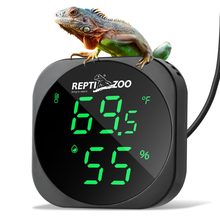
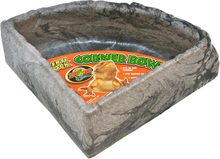
Hermit crabs breathe through modified gills that must stay moist to function properly. Signs include an ashy appearance, lethargy, and an inability to fully retract into the shell. This traces directly back to low humidity, which is why a hygrometer and a reliable soakable water dish matter so much in this species' housing. The hermit crab tank setup guide has the humidity range to hold and the substrate depth that holds it.
Bad or Interrupted Molts
Often caused by inadequate humidity, substrate that's too shallow or dry, or a crab being disturbed while molting. This is frequently fatal, which is exactly why leaving a buried crab alone matters so much, no exceptions, regardless of how long it's been.

Mites and Mold
Generally traceable to poor hygiene or inadequate ventilation in the enclosure.
What "Seeking Help" Looks Like for This Species
Since clinical vet care is rarely an option, the real response to a sick or stressed hermit crab is correcting the husbandry issue behind it, and isolating any crab that's aggressive, injured, or showing PPS signs from the rest of the group while it recovers.
The Hermit Crab encyclopedia profile has the full natural history.
Sources & Further Reading
❓ Frequently Asked Questions
What's the leading cause of death in pet hermit crabs?
Post-purchase stress, since every pet hermit crab is wild-caught rather than captive-bred and goes through real shock from capture, shipping, and a new environment. Watch for lethargy, burrowing, refusing food, and rapid loss of multiple limbs, and know that a crab generally isn't past the risk period until it has molted once successfully in your care.
Does a hermit crab regrow a lost limb?
Yes. Limb loss can come from stress, fights with cage-mates, mites, or poor conditions, but lost limbs regenerate over successive molts, first appearing as small buds before growing back to full size.
What does dehydration look like in a hermit crab?
An ashy appearance, lethargy, and an inability to fully retract into the shell. Hermit crabs breathe through modified gills that must stay moist to work properly, so this traces directly back to low humidity in the enclosure.
What causes a bad or interrupted molt?
Inadequate humidity, substrate that's too shallow or dry, or a crab being disturbed while molting. It's frequently fatal, which is exactly why a buried crab needs to be left completely alone regardless of how long it stays hidden.
📰 More on the Hermit Crab
🛒 Recommended Gear
As an Amazon Associate, we earn from qualifying purchases through the links above - at no extra cost to you.
Written by Michael Ryan
Mike keeps two rescued bearded dragons, Dex and Cera, and writes the care guides on BeastlyFacts from his own research and mistakes. He is not a veterinarian.
More about Michael Ryan →Comments
No comments yet - be the first!