Labrador Retriever
Canis lupus familiaris
On This Page▾
🌍 Overview
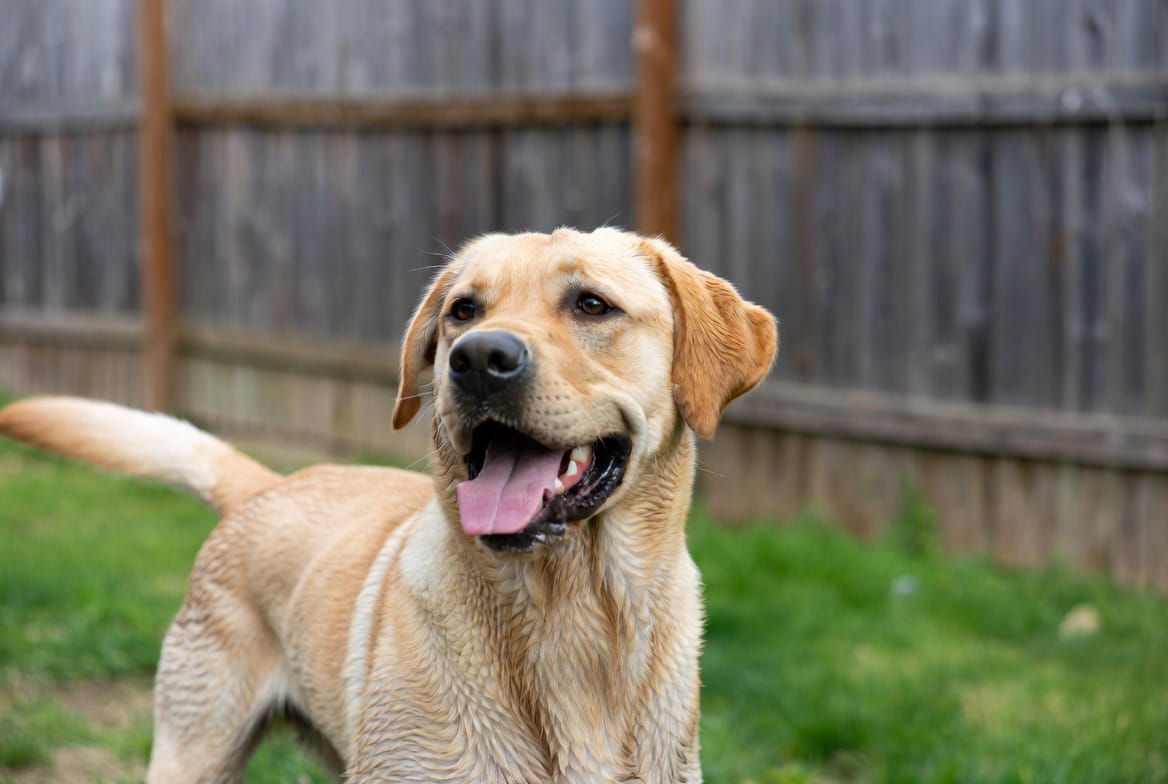
The Labrador retriever held the AKC number one spot for 31 straight years until the French Bulldog overtook it in 2022, and it still ranks number 2. Originally bred in Newfoundland, Canada, to retrieve fish and waterfowl for fishermen, Labradors were refined in England into the versatile working and companion dogs known today. Their exceptional trainability, gentle temperament and strong retrieve drive make them among the most common breeds used as guide dogs, search-and-rescue dogs and therapy animals worldwide, and there is a genetic thread connecting that trainability to the breed's weight problem: the POMC deletion that drives food motivation runs at a 45 percent allele frequency in assistance dog breeding stock against 12 percent in the general Labrador population.
📋 Quick Facts
Native Range
Breed origin: Newfoundland, Canada; refined in England
Natural Habitat
Fully domesticated
Adult Size
21.5-24.5 inches at shoulder; 55-80 lbs
Wild Diet
Fully domesticated
Wild Lifespan
11-13 years per the AKC; UK primary-care records covering 33,320 Labradors give a median of 12.0 years, but only 10.7 years for chocolate dogs against 12.1 for black and yellow
Conservation Status
Not applicable (domesticated breed)
📜 History
The founding population was cut off early. Newfoundland's St. John's dogs reached Britain aboard trading ships in the 1830s, and the Earls of Malmesbury built a kennel around them at Heron Court. A meeting between the Malmesbury family and the Duke of Buccleuch in the 1880s produced the transfer of two dogs, Ned and Avon, whose descendants are the foundation of everything that followed. Then the supply closed: Newfoundland taxed dogs that were not kept for herding, and British quarantine rules on imported dogs shut the Atlantic route, leaving breeders to work with the animals already in Britain. The Kennel Club recognized the Labrador as a separate breed in 1903 and the AKC registered it in 1917.
⚖️ Compare
Labrador Retriever
Human
Adult Size
21.5-24.5 inches at shoulder; 55-80 lbs
5-6 feet (150-185 cm); ~135-200 lbs
Wild Lifespan
11-13 years per the AKC; UK primary-care records covering 33,320 Labradors give a median of 12.0 years, but only 10.7 years for chocolate dogs against 12.1 for black and yellow
~73 years (global average)
Wild Diet
Fully domesticated
Omnivorous - eats just about anything
Native Range
Breed origin: Newfoundland, Canada; refined in England
Global - originated in Africa roughly 300,000 years ago
Natural Habitat
Fully domesticated
Everywhere from arctic tundra to tropical megacities
Conservation Status
Not applicable (domesticated breed)
Least Concern (8+ billion and counting)
🧠 Test Yourself
What's the Labrador Retriever's native range?
Subscribe - it's free
New animal facts and care guides straight to your inbox. No spam. 🐾
🩺 Health and More
🐕 Dog Enrichment: Let Them Sniff, and the Dog Gets More Optimistic
🐕 Labrador Enrichment: A Gene Deletion Explains the Appetite
🧬 What a Pet DNA Test Actually Tells You
👁️ Inherited Eye Disease: What Screening Actually Catches
🦴 Hip and Elbow Dysplasia: What the Grades Actually Mean
⚖️ Body Condition Score: How to Tell if Your Pet Is Actually Overweight
🤓 Did You Know?
The appetite gene that makes Labradors chubby is the same gene that makes them good guide dogs. The POMC deletion drives food motivation, which is exactly what trainers select for, and assistance dog breeding stock carries the variant at a 45 percent allele frequency against 12 percent in the general Labrador population. Breeders selecting for trainability accidentally selected for obesity.
Explore More