Ghost Shrimp
Palaemon paludosus (formerly Palaemonetes)
On This Page▾
🌍 Overview
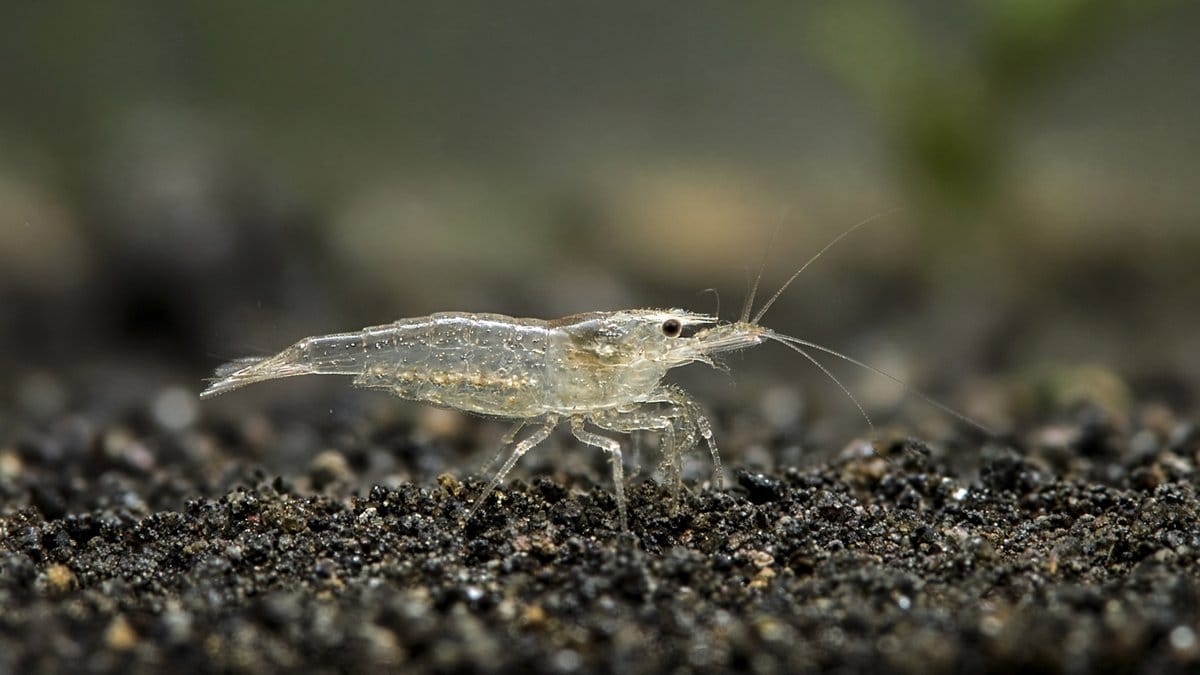
Ghost shrimp are small, nearly transparent freshwater shrimp from the genus Palaemon (long listed under the older genus name Palaemonetes), sold under names like ghost shrimp and glass shrimp and often mixed across several similar-looking species in the same shipment. Unlike the cherry shrimp and Amano shrimp they're commonly sold beside, ghost shrimp belong to an entirely different, unrelated shrimp family (Palaemonidae rather than Atyidae) that took its own separate evolutionary path from salt water into fresh water. Prized mainly for being cheap, hardy, and tolerant of imperfect water, they're sold in bulk as feeder stock for larger fish as often as they're kept as pets in their own right, though a translucent, active little scavenger is a genuinely appealing tank resident for keepers who look past the feeder-aisle reputation.
📋 Quick Facts
Native Range
North America (the most common aquarium species, Palaemonetes paludosus, ranges the Atlantic coastal plain from Florida to New Jersey)
Natural Habitat
Freshwater ponds, lakes, and streams with dense submerged vegetation
Adult Size
1-2 inches (2.5-5 cm); females larger than males
Wild Diet
Algae, detritus, small aquatic invertebrates, and plant matter (omnivorous scavenger)
Wild Lifespan
About 1 year in the wild (6-13 months); commonly 1-2 years in captivity
Conservation Status
Not formally assessed (IUCN); secure and widespread in its native range
📜 History
Lewis Reeve Gibbes described the species most often sold under the name in 1850. It spent most of the following century in Palaemonetes, a genus that no longer exists: molecular work by Ashelby and colleagues in 2012 showed Palaemonetes was nested inside Palaemon, and De Grave and Ashelby formally sank it the year after, making the correct name Palaemon paludosus. Almost none of the trade has caught up. The animals are still pulled out of southeastern waterways, mostly in Florida, instead of being produced in hatcheries, which is unusual for a creature moved in these numbers.
⚖️ Compare
Ghost Shrimp
Human
Adult Size
1-2 inches (2.5-5 cm); females larger than males
5-6 feet (150-185 cm); ~135-200 lbs
Wild Lifespan
About 1 year in the wild (6-13 months); commonly 1-2 years in captivity
~73 years (global average)
Wild Diet
Algae, detritus, small aquatic invertebrates, and plant matter (omnivorous scavenger)
Omnivorous - eats just about anything
Native Range
North America (the most common aquarium species, Palaemonetes paludosus, ranges the Atlantic coastal plain from Florida to New Jersey)
Global - originated in Africa roughly 300,000 years ago
Natural Habitat
Freshwater ponds, lakes, and streams with dense submerged vegetation
Everywhere from arctic tundra to tropical megacities
Conservation Status
Not formally assessed (IUCN); secure and widespread in its native range
Least Concern (8+ billion and counting)
🧠 Test Yourself
What's the Ghost Shrimp's native range?
🤩 Fun Facts
🦐 Same Shelf, Different Families
Ghost shrimp are sold on the same store shelf as cherry shrimp and Amano shrimp, but they aren't close relatives of either. Ghost shrimp belong to a completely separate family from both, and all three ended up in the same aquarium aisle by convergent lifestyle, small, hardy freshwater scavengers, rather than by shared ancestry.
📖 Care Guide
Ghost Shrimp Care Guide
The see-through scavenger that costs pennies and earns its keep!
Subscribe - it's free
New animal facts and care guides straight to your inbox. No spam. 🐾
📰 Deep Dive
🦐 How Much Does Ghost Shrimp Ownership Really Cost?
🦐 Ghost Shrimp Aren't Handled by Hand, But Acclimation Is Where Most Losses Actually Happen
🦐 Common Ghost Shrimp Health Issues (Most Trace Back to Where They Came From)
🦐 Ghost Shrimp Tank Setup: Minimal Requirements, But Compatibility Is Where People Get Caught Out
🦐 Ghost Shrimp Feeding: What They'll Actually Eat, Including Each Other
🦐 Ghost Shrimp Enrichment: Sold as Feeders, Kept as Pets
🩺 Health and More
🦠 How to Cycle a Fish Tank, Start to Finish: Fishless and Fish-In
🧽 Aquarium Filtration: How It Actually Works and How to Maintain It
🪣 Aquarium Water Changes: How Much, How Often, and What the Number Is For
🐟 Aquarium Stocking and Tankmates: How Many Fish, and Which Ones Go Together
🦐 Shrimp Molting: What a Normal Molt Looks Like, and the White Ring That Means It Failed
🩺 Fish Quarantine and Treatment: The Hospital Tank Guide
🤓 Did You Know?
Despite looking like a smaller, cheaper cousin of the cherry and Amano shrimp sold right next to them in the store, ghost shrimp aren't closely related to either. They belong to the family Palaemonidae, while cherry and Amano shrimp both belong to the unrelated family Atyidae, and each lineage independently evolved from marine ancestors into fresh water at a different point in history. Their famous hardiness is exactly why they're sold cheaply in bulk as feeder shrimp for larger fish, even though plenty of keepers keep them purely as pets.
Explore More